

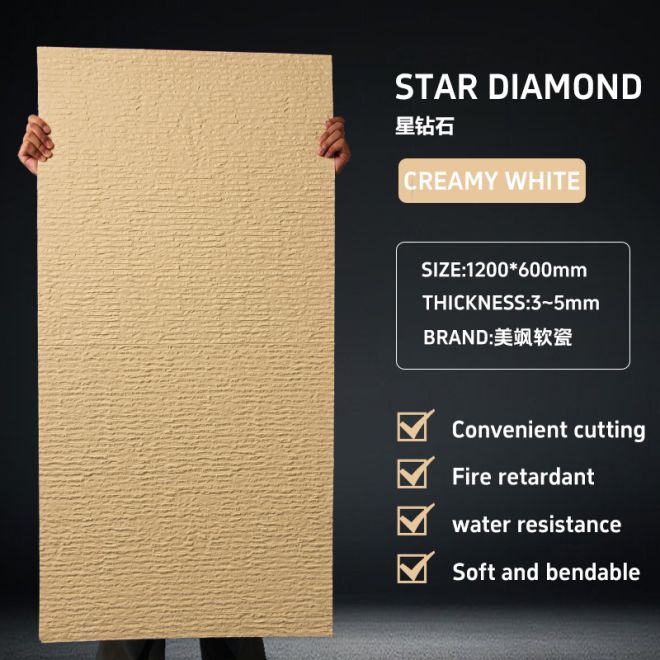
Introduction to soft stone panels
Soft stone panels have gained popularity as a versatile decorative material that offers both aesthetic appeal and practical benefits. These panels are typically crafted using a combination of natural mineral components and polymer composites. The result is a product that mimics the appearance of natural stone while offering the flexibility of a lightweight, easy-to-install material. In this article, we will discuss whether these panels can be painted or customized, and examine the best practices for doing so.
Benefits of Painting Soft Stone Panels
Enhancing Aesthetic Appeal
Painting soft stone panels allows homeowners and designers to tailor the look of the panels to suit specific design themes. This customization can transform a space, aligning it with modern, rustic, or traditional styles. Additionally, painting can refresh older installations that might have faded or become outdated.
Cost-Effective Transformation
Painted solutions provide a more affordable option compared to replacing entire stone installations. Whether for residential or commercial use, painting offers an economical way to achieve a new look without the high costs associated with wholesale or new materials from a manufacturer or factory.
Preparing Soft Stone Panels for Customization
Cleaning and Surface Preparation
The first step in preparing soft stone panels for customization is cleaning the surface thoroughly. This can be achieved by using a stiff scrub brush to remove dirt and debris. For outdoor panels, a pressure washer may be used. Ensure the panels are completely dry before proceeding to the next steps.
Priming for Better Adherence
Though not always necessary, applying a primer can help ensure paint adheres properly to the stone's porous surface. An acrylic latex primer is recommended, especially if the paint color is lighter than the original stone color. This step ensures uniform color and reduces the number of paint layers needed.
Materials and Tools for Painting Soft Stone Panels
Choosing the right materials and tools is crucial for a successful painting project. High-quality acrylic latex paints are recommended for their durability and flexibility. Use a heavy nap roller designed for masonry to apply the paint evenly. For detailed work, a brush or sponge can be effective in reaching crevices.
- Paint-mixing tool for uniform color blending
- Heavy nap roller for large areas
- Brush or sponge for detailed work and edges
Step-by-Step Guide to Staining Soft Stone
Application Process
Staining is an alternative to painting that maintains the stone's natural look while adding color. Begin by applying the stain with a bristle brush, ensuring even coverage. Follow the product's drying recommendations for optimal results. Once dry, a sealant can be applied to protect the new surface.
Drying and Finishing Touches
Allow the stain to dry completely as per the manufacturer's instructions. It is crucial to avoid touching the stone during the drying period to prevent marks or smudges. After drying, evaluate the need for additional stain or sealant to achieve the desired effect.
Techniques for Painting Soft Stone Panels
Layering and Texturing
Custom textures can be achieved by layering different colors and techniques. Consider using sponges or brushes to dab additional colors, creating depth and interest. This technique is particularly effective for achieving a natural stone appearance on soft stone panels.
Sealing for Durability
After painting, applying a clear sealant helps protect the work against environmental elements and daily wear. This step ensures the longevity of the paint job and reduces maintenance needs.
Customizing Soft Stone with Textures and Patterns
Beyond painting, soft stone panels can be customized with unique textures and patterns. This process involves using stencils or freehand techniques to create intricate designs. These customized patterns add a layer of personalization and can reflect local customs or themes.
Safety Considerations in Painting Soft Stone Panels
Ventilation and Protective Gear
When painting indoors, ensure adequate ventilation to minimize inhalation of fumes. Outdoor projects should consider wind direction to avoid overspray. Using non-toxic paints and wearing protective gear, such as gloves and masks, is advisable to maintain safety standards.
Proper Disposal of Materials
After the project is completed, responsibly dispose of any leftover paints, primers, and cleaning agents. Many municipalities have guidelines for disposing of hazardous materials, which should be followed to reduce environmental impact.
Maintenance Tips for Painted Soft Stone Panels
Maintaining painted soft stone panels is relatively simple. Regular cleaning with a damp cloth or mild soap can help retain their appearance. Avoid abrasive cleaners that might damage the painted surface. Inspecting and touching up areas as needed will ensure the panels remain vibrant over time.
Alternatives to Painting: Using Natural Stone Finishes
Some may choose to retain the stone's natural appearance through the use of sealers that enhance color without the need for paint. These sealers provide a wet look that is both attractive and protective, reducing the need for ongoing maintenance.
Xinshi Building Materials Provide Solutions
Xinshi Building Materials offers a comprehensive range of solutions for those interested in enhancing their soft stone panels. Whether you're looking to paint, stain, or apply natural finishes, our products support diverse customization needs. We supply high-quality materials from trusted manufacturers, ensuring that your project reflects the latest design trends and stands the test of time. Contact us for wholesale inquiries or to learn more about our factory-direct options, and let us help you transform your space with confidence.
 Privacy settings