


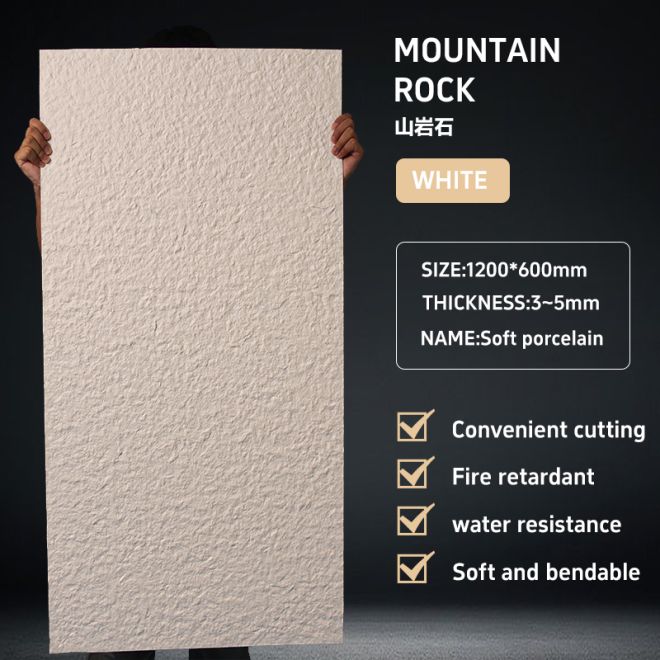
Keeping up with the Flexible Stone 2026 market outlook feels like trying to read granite tea leaves—prices shift, demand jumps, and your forecasts crumble faster than a cheap countertop.
Focus on demand drivers, diversify suppliers, and track industry forecasts with reports like this market analysis to plan inventory and pricing with confidence.
📈 Global construction sector impact on flexible stone demand in 2026
In 2026, flexible stone demand will closely track global construction activity. Strong housing, commercial upgrades, and resilient public projects will keep this niche surface material in focus.
Developers value light weight, fast installation, and design freedom. Products like SLATE LIGHT GREY help architects meet modern façade and interior needs with less structural load and shorter schedules.
1. Residential construction recovery and remodeling
Homeowners plan more kitchen, bathroom, and balcony upgrades. Flexible stone supports thin cladding on old walls, saving time and cutting waste compared with full stone slabs.
- Ideal for interior feature walls and shower areas
- Reduces structural reinforcement needs
- Works well in small apartments and compact homes
2. Commercial buildings and retail chains
Hotels, offices, and retail chains seek fresh looks without long shutdowns. Flexible stone panels help refresh lobbies, corridors, and storefronts overnight or in short phases.
| Segment | Main Use |
|---|---|
| Hotels | Lobby walls, lifts, reception desks |
| Offices | Meeting rooms, corridors, façades |
| Retail | Storefronts, display backdrops |
3. Public projects and transport hubs
Airports, metro stations, and schools need durable surfaces with lower maintenance. Flexible stone offers a natural look but installs faster than traditional stone systems.
- Suited for curved walls and columns
- Reduced downtime in busy terminals
- Helps meet fire and safety norms with tested systems
4. Industrial and mixed‑use complexes
Mixed‑use parks and logistics hubs apply flexible stone to façade bands and entry areas. The material balances modern lines with a warm, natural surface feel.
| Application | Benefit |
|---|---|
| Facade bands | Visual contrast with metal panels |
| Reception zones | Premium look at moderate cost |
🏗️ Infrastructure renovation and urbanization driving flexible stone application growth
Fast urban growth and aging city assets fuel steady demand for flexible stone in transit, public, and community projects through 2026.
Cities favor light systems that reduce structural stress on old buildings and speed renovation, while still delivering modern, consistent finishes.
1. Transit corridors and station upgrades
Rail and bus hubs upgrade interior walls with flexible stone for impact resistance and easy cleaning. Panels adapt to tight curves and complex service areas.
- Quick night‑shift installation
- Thin profile preserves corridor width
- Easy to replace damaged sections
2. Urban renewal in dense city centers
Infill projects and façade retrofits in dense districts use flexible stone to refresh streetscapes. Thin cladding overlays aging brick or concrete without heavy demolition.
| Project Type | Typical Use |
|---|---|
| Façade retrofit | Street‑facing walls, corners |
| Loft conversion | Interior feature walls |
3. Community, education, and health buildings
Schools and clinics favor durable, low‑VOC materials. Flexible stone supports healthy interiors when paired with tested adhesives and proper ventilation during install.
- Warm, natural textures for public spaces
- Low added load on older structures
- Stable color for long‑term projects
4. Data snapshot: flexible stone demand by project type in 2026
The following bar chart illustrates an example distribution of projected flexible stone demand by project type in 2026.
🌱 2026 sustainability standards shaping eco-friendly flexible stone product trends
Stricter 2026 regulations push flexible stone makers to cut emissions, reduce waste, and improve recyclability across the full product life cycle.
Builders also compare carbon data, driving demand for lighter, low‑impact systems that still meet fire, moisture, and wear requirements.
1. Lower embodied carbon and cleaner binders
Producers refine resins and backing layers to cut fossil‑based content. Clear carbon data sheets help project teams meet green building targets.
- Use of recycled fillers where possible
- Shift toward lower‑VOC adhesives
- Support for green certification credits
2. Waste reduction and efficient cutting
Thin and flexible sheets reduce off‑cut waste on site. Digital cutting plans allow installers to map joints and minimize scrap.
| Step | Impact |
|---|---|
| Panel planning | Less off‑cut volume |
| Smart packaging | Lower transport waste |
3. Durable finishes for long service life
Improved UV and stain resistance help flexible stone last longer. This lowers replacement cycles, supporting both cost and sustainability goals.
🏢 Interior design preferences and architectural aesthetics influencing flexible stone usage
Interior designers choose flexible stone for calm, natural surfaces that pair with wood, glass, and metal in modern buildings.
Its lightweight build lets architects create large, joint‑tight surfaces that feel like real stone but install more easily.
1. Popular colors, textures, and formats
Soft greys, warm beiges, and stone‑like textures remain popular in 2026. Flexible stone supports large formats with minimal visible joints.
- Matches minimalist and Scandinavian styles
- Works with indirect lighting for subtle depth
- Helps unify floors, walls, and ceilings
2. Mixing with wood and textile effects
Designers often mix flexible stone with wood tones or textile‑like finishes such as CLOTH GRAIN STONE to add warmth and visual layers to interiors.
| Combination | Design Effect |
|---|---|
| Stone + wood | Natural, calm atmosphere |
| Stone + cloth grain | Soft, tactile wall surfaces |
3. Branded spaces and hospitality concepts
Hotels, cafés, and offices use flexible stone to roll out consistent brand designs worldwide. The material supports repeatable details and quick fit‑outs.
🧱 Technological innovations in flexible stone enhancing performance and 2026 market outlook
Advances in backing layers, adhesives, and surface treatments improve flexible stone strength, moisture resistance, and design accuracy in 2026.
These upgrades support wider use on curved façades, wet rooms, and high‑traffic interiors, strengthening long‑term market prospects.
1. Stronger, lighter composite structures
New composite backings cut weight while raising impact strength. Installers can transport more area per trip, reducing logistics costs and emissions.
- Better crack resistance on site
- Stable dimensions under temperature change
- Improved handling for large sheets
2. Smarter installation systems and tools
Improved adhesives and priming systems speed installation on concrete, drywall, and special bases like Sawn wooden boards.
| Innovation | Benefit |
|---|---|
| Faster‑grab adhesive | Shorter bracing time |
| Pre‑marked grids | More accurate joint lines |
3. Digital design and custom production
Digital tools allow precise panel layouts and custom runs. Architects preview joints, grain flow, and lighting before production begins.
Conclusion
By 2026, flexible stone will benefit from active construction markets, strict green rules, and design trends that favor light, natural surfaces.
Better technology, faster install systems, and clear performance data should help flexible stone gain share across housing, commercial, and infrastructure projects worldwide.
Frequently Asked Questions about flexible stone
1. What is flexible stone?
Flexible stone is a thin layer of real stone or stone‑like surface bonded to a flexible backing, creating light, bendable sheets for walls and façades.
2. Where is flexible stone most often used?
It is common on interior feature walls, hotel and office lobbies, bathroom and balcony walls, and lightweight façade upgrades on older buildings.
3. Is flexible stone durable?
Yes. When installed with the right adhesive and substrate, quality flexible stone offers strong adhesion, good impact resistance, and stable color over many years.
4. Does flexible stone support green building goals?
Its low weight, reduced structural needs, and potential for lower embodied carbon can support green rating targets, especially when paired with low‑VOC systems.
5. How does flexible stone compare with traditional stone slabs?
Flexible stone is lighter, easier to cut, and faster to install. Traditional slabs remain better for heavy‑duty structural and floor applications.
 Privacy settings