

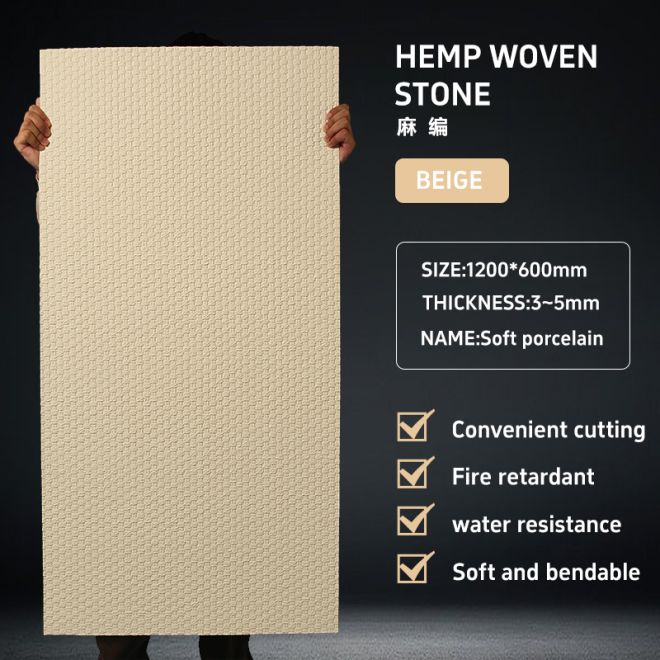
Introduction to flexible stone for wall
As architectural design evolves, so does the choice of materials. One of the latest innovations in building and decoration is the use of flexible stone for wall applications. Unlike traditional stone, which is inherently heavy and rigid, flexible stone offers an adaptable and lightweight alternative. This innovation grants designers and architects the freedom to create intricate, stunning designs without the traditional constraints associated with weight and installation challenges. Both residential and commercial projects stand to benefit significantly from this advancement due to its design versatility. In this article, we will explore the various aspects of flexible stone for wall installations, comparing it to traditional materials in terms of design flexibility, weight, ease of installation, cost, and sustainability.
Design Flexibility and Creativity
● Unique Design Possibilities
Flexible stone for wall installations offers unparalleled design flexibility. The material’s adaptability allows it to be shaped and manipulated into complex patterns and designs that are often not possible with traditional stone. Its ability to bend and conform to varied surface geometries makes it ideal for ambitious architectural projects that demand a creative approach. Designers can achieve an artistic expression that is both dynamic and modern, appealing to a wide array of aesthetic preferences.
● Customization Options and Artistic Expression
What sets flexible stone apart in the realm of building materials is its customization potential. Architects and designers can tailor the product to meet specific design requirements, including color, texture, and finish. This level of customization enables the creation of personalized spaces that reflect the vision of both the designer and client. Such artistic freedom allows for the realization of innovative architectural concepts that were previously unattainable using more conventional materials.
Weight and Structural Benefits
● Lightweight Nature of Flexible Stone
One of the most significant advantages of flexible stone for wall applications is its lightweight nature. Traditional stone is notoriously heavy, often requiring substantial structural support and increasing the overall load on a building's framework. Flexible stone, however, reduces this load significantly, offering a practical solution for both retrofit and new construction projects alike. Its light weight facilitates easier handling and transportation, further reducing the environmental and logistical costs associated with building material transport.
● Impact on Building Structure and Support
Reduced weight translates to several structural benefits. Buildings can achieve greater heights or more complex designs without the need for reinforced support that is typically necessary with traditional stone. This aspect not only enhances the architectural possibilities but also contributes to the longevity of the building's structural integrity by minimizing stress on primary support systems.
Ease of Installation and Maintenance
● Simplified Installation Processes
The installation of flexible stone for wall applications is considerably more straightforward compared to traditional stone. The lighter weight means that fewer resources are needed for installation, and the process is quicker, reducing labor costs and construction timelines. Flexible stone sheets can be installed directly onto existing surfaces, saving time and effort in preparation. This factor is particularly advantageous in urban environments where minimizing construction time and disruption is crucial.
● Comparison of Maintenance Requirements
Maintenance is another area where flexible stone shines. Traditional stone requires regular maintenance to preserve its appearance and prevent degradation, but flexible stone is designed to withstand environmental factors with minimal upkeep. Its durability ensures a long-lasting aesthetic without the need for frequent cleaning or repairs, making it an appealing choice for property owners seeking a low-maintenance solution.
Residential Applications and Aesthetic Appeal
● Use in Homes and Interior Design
The application of flexible stone in residential settings opens up a world of possibilities for interior design. Homeowners can enjoy the luxury and elegance of natural stone aesthetics without the associated weight and cost. A flexible stone can be used in various areas of the home, including feature walls, fireplaces, and exterior facades, providing a cohesive and refined look that enhances the overall ambiance of the living space.
● Enhancing Aesthetic Value and Ambiance
The aesthetic appeal of flexible stone for wall applications is undeniable. Its rich textures and colors can complement diverse interior styles, from modern minimalist to traditional elegance. This adaptability allows homeowners to infuse their spaces with personal taste and character, increasing the property’s overall value and attractiveness.
Commercial Uses and Practical Advantages
● Suitability for Commercial Environments
In commercial settings, flexible stone for wall applications offers practical solutions that meet a variety of needs. Its durability and low maintenance make it ideal for high-traffic areas such as retail spaces, offices, and hotels. Moreover, its aesthetic appeal contributes to creating inviting and professional atmospheres that enhance customer and client experiences.
● Versatility in Retail and Office Spaces
Flexible stone is highly versatile, adapting easily to the unique demands of retail and office designs. It can be used to create eye-catching storefronts, elegant lobbies, and modern office interiors. Its customization options allow for coherent branding and thematic consistency across different areas of a commercial property, reinforcing brand identity and enhancing the overall visual impression.
Cost Comparison and Economic Considerations
● Initial Investment versus Long-term Savings
While the initial cost of flexible stone may vary based on supplier and customization level, it generally presents an economical option when long-term savings are considered. The reduced installation time and minimal maintenance requirements contribute to significant cost savings over the lifespan of the material. This makes flexible stone a financially sound investment for property developers and owners looking to optimize their budget without sacrificing quality.
● Price Comparison with Traditional Materials
In comparison with traditional stone materials, flexible stone provides a cost-effective alternative without compromising on aesthetic quality. Traditional materials often incur higher costs due to their weight and the complexity of installation, whereas flexible stone reduces these costs significantly, offering a more accessible option for a wider range of projects.
Environmental Impact and Sustainability
● Eco-friendly Aspects of Flexible Stone
Sustainability is a growing concern in the construction industry, and flexible stone for wall applications addresses this issue effectively. It is manufactured with minimal environmental impact, using processes that reduce waste and energy consumption. Furthermore, the materials used are often recyclable, contributing to a circular economy and reducing the burden on natural resources.
● Sustainable Sourcing and Ecological Benefits
Many manufacturers of flexible stone prioritize sustainable sourcing, ensuring that the production process aligns with ecological best practices. This commitment to sustainability not only benefits the environment but also enhances the market appeal of flexible stone as a responsible choice for eco-conscious builders and designers.
Durability and Longevity Analysis
● Comparing Wear and Tear Resistance
The durability of flexible stone is one of its most commendable features. It boasts excellent resistance to wear and tear, maintaining its appearance and structural integrity even in harsh environments. This resilience makes it suitable for both interior and exterior applications, where it can withstand the elements without degrading over time.
● Lifespan of Flexible Stone versus Traditional Options
When comparing the lifespan of flexible stone to traditional options, flexible stone often surpasses expectations. Its inherent properties prevent cracking and chipping, common issues with traditional stone, thus ensuring a lasting investment that retains its beauty and functionality for years to come.
Conclusion and Future Trends
● Summary of Advantages and Considerations
Flexible stone for wall applications offers numerous advantages over traditional materials, including design flexibility, ease of installation, and sustainability. Its economic benefits and aesthetic appeal make it a strong contender in the building materials market. However, potential users should consider factors such as initial cost and compatibility with existing structures when choosing materials for their projects.
● Emerging Trends in Flexible Stone Technology
Looking ahead, the technology behind flexible stone is poised to evolve further, with advancements likely to enhance its properties and applications. As demand for sustainable and innovative materials grows, flexible stone will continue to play a pivotal role in modern architecture and design, offering solutions that cater to the changing needs of the industry.
About Xinshi Building Materials
Jiangsu Neolithic New Building Materials Technology Co., Ltd., operating under the brand name Xinshi Building Materials, is at the forefront of innovation in the building decoration sector. Located in Suining County, Xuzhou City, Jiangsu Province, the company excels in the research, production, and sales of flexible stone products. With over 100 acres dedicated to its operations, including expansive production workshops and state-of-the-art laboratories, Xinshi Building Materials is committed to delivering environmentally friendly, economically viable, and aesthetically exceptional building solutions.
 Privacy settings