


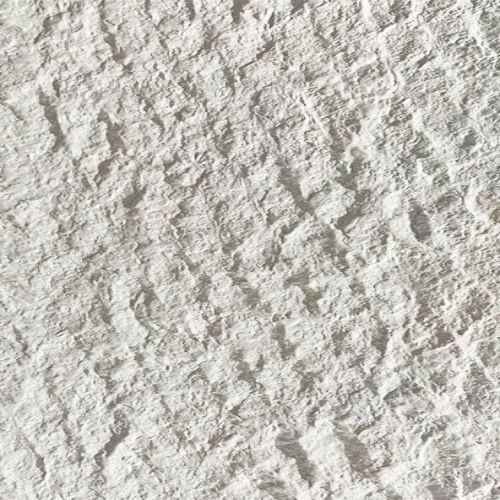
Choosing stone finishes worldwide can feel like speed‑dating rocks: too heavy, too pricey, or impossible to ship without drama, while designers and builders just want good‑looking, durable walls that don’t destroy budgets or schedules.
This Flexible Stone Panel Complete Guide for Global Buyers 2026 shows how ultra‑thin stone veneers cut weight, cost, and installation time, while meeting modern performance standards backed by studies like the NREL façade durability report.
🧱 What Is Flexible Stone Panel and How It’s Made
Flexible stone panel is a thin, light, bendable surface layer made from real stone or mineral aggregates bonded to a flexible backing.
Manufacturers use special resins and fabrics so panels keep a stone look while remaining easy to cut, transport, and install on curved walls.
1. Basic Structure and Materials
Each panel usually has a stone surface layer, adhesive middle layer, and fiberglass, cloth, or polymer backing for strength and flexibility.
- Thickness: about 2–5 mm
- Weight: 3–6 kg/m²
- Common backings: fiberglass mesh, non‑woven fabric
- Finish: natural, matte, or sealed
2. Main Manufacturing Steps
Producers mix stone powder or flakes with resin, coat it on a flexible backing, then cure, cut, and inspect before packing.
| Step | Key Action |
|---|---|
| 1 | Prepare stone mix and backing |
| 2 | Coat and press under heat |
| 3 | Cure and stabilize sheet |
| 4 | Trim, test, and pack |
3. Types of Flexible Stone Products
Buyers can choose from different textures and bases such as Hemp woven soft stone, fabric grain panels, and thin stone veneers.
- Interior decorative sheets
- Exterior façade cladding
- Floor and stair overlays
- Custom curved applications
4. Flexible Stone vs. Traditional Stone and Tiles
Compared with standard stone or ceramic tile, flexible stone reduces weight, cuts labor time, and allows large, joint‑less surfaces.
- Less structural load on buildings
- Fewer cuts and joints
- Faster, cleaner site work
- Lower transport costs
🌍 Global Market Trends and Future Prospects for 2026
The flexible stone panel market is growing as designers seek light, low‑carbon cladding alternatives that still deliver real stone texture and stable performance.
By 2026, demand from green buildings, modular construction, and renovation projects is expected to drive double‑digit growth in many regions.
1. Regional Demand Outlook to 2026
Asia‑Pacific leads volume growth, while Europe and North America focus on high‑spec, certified façade systems with strict fire and energy standards.
2. Policy, ESG, and Green Building Drivers
Governments and investors push low‑carbon materials. Lightweight flexible stone helps reduce transport emissions and supports green certification targets.
- Lower embodied energy than thick stone
- Improved façade insulation systems
- Support for LEED, BREEAM, and local labels
3. Technology Upgrades and Product Innovation
Producers improve fire ratings, UV resistance, and color stability, while new series like CLOTH GRAIN STONE expand design choices.
| Innovation | Buyer Benefit |
|---|---|
| High‑flex backings | Better performance on curves |
| Low‑VOC resins | Healthier indoor air |
| Digital textures | Stable, repeatable aesthetics |
4. Key Risks and How Buyers Can Respond
Importers should watch freight volatility, certification needs, and supplier quality control, then lock long‑term contracts and clear testing rules.
- Confirm fire, slip, and aging tests
- Check factory audits and traceability
- Use multi‑year pricing where possible
🏗️ Core Performance Features and Suitable Application Scenarios
Flexible stone panels combine light weight, impact strength, and a natural stone look, making them ideal for new builds and refurbishments.
They handle curves, complex corners, and fast interior fit‑outs without heavy wet trades on site.
1. Mechanical and Environmental Performance
Panels offer good tensile strength, crack resistance, and weather durability when installed on sound, prepared substrates.
| Property | Typical Level |
|---|---|
| Service life | 15–25 years |
| Working temp. | -20°C to +70°C |
| Water absorption | Low, when sealed |
2. Interior Design and Refurbishment
Use panels over old tiles, gypsum boards, or furniture to refresh hotels, retail spaces, offices, and homes with less dust and noise.
- Lobby and corridor walls
- Feature TV or reception walls
- Elevator surrounds and columns
3. Exterior Façades and Special Uses
On façades, panels work in ventilated systems or bonded directly in low‑rise projects, and support curves and branded patterns.
- Commercial façades and soffits
- Light steel modular buildings
- Signage and exhibition booths
🛠️ Installation, Maintenance Tips, and Common Technical Standards
Correct installation and care are vital for long service life and stable color, especially in demanding outdoor climates.
Follow system manuals, use tested adhesives, and respect joint details to avoid peeling or cracking.
1. Basic Installation Process and Tools
Installers cut panels with simple tools and bond them using trowels, rollers, and recommended primers.
| Step | Description |
|---|---|
| 1 | Clean and level substrate |
| 2 | Prime and mark layout lines |
| 3 | Apply adhesive evenly |
| 4 | Press panel, roll, and seal |
2. Daily Cleaning and Preventive Maintenance
Use mild neutral cleaners, soft cloths, and avoid strong acids or heavy abrasives to protect the stone surface and sealers.
- Inspect joints once a year
- Re‑seal high‑wear areas when needed
- Repair local damage with patch kits
3. Key Technical Standards and Test Items
Buyers should ask for reports on fire behavior, bond strength, impact resistance, and aging, based on widely accepted building standards.
- Reaction to fire and smoke tests
- Freeze–thaw resistance
- UV and color stability checks
⭐ Why Meisa Flexible Stone Panel Is a Reliable Long‑Term Choice
Meisa focuses on consistent quality, rich textures, and stable export service, helping buyers control project risk and lifetime cost.
The brand covers products like Soft Porcelain and Flexible Stone systems for diverse global climates.
1. Proven Manufacturing and Quality Control
Meisa applies strict raw material checks, in‑line inspections, and batch testing to deliver panels with repeatable performance between shipments.
| Control Point | Focus |
|---|---|
| Incoming | Stone, resin, backing quality |
| Process | Thickness, curing, adhesion |
| Final | Appearance and lab tests |
2. Design Support and Customization Ability
The team can match colors, textures, and sizes, and suggest systems for hotels, malls, housing, and prefabricated modules.
- Custom grain and pattern sets
- Project‑specific accessory advice
- Sample books and mock‑ups
3. Stable Supply and Export Experience
Meisa supports global buyers with flexible order sizes, export packing, and documentation that match local building and customs requirements.
- OEM and brand cooperation
- On‑time container scheduling
- After‑sales technical guidance
Conclusion
Flexible stone panels offer a light, adaptable way to achieve real stone effects on many surfaces while saving time and structure weight.
By 2026, buyers who work with proven suppliers, clear standards, and good installation practices will gain strong design freedom and long‑term value.
Frequently Asked Questions about flexible stone panel
1. Can flexible stone panels be used in bathrooms or wet areas?
Yes, but you should choose products with low water absorption, use approved waterproof adhesives, and seal all joints and edges carefully.
2. How long do flexible stone panels usually last?
With correct installation and basic maintenance, panels typically serve 15–25 years, depending on climate, UV exposure, and mechanical impact.
3. Are flexible stone panels fireproof?
Fire performance depends on the specific formula and backing. Always request official fire test reports and match them to your local code.
4. Can one person install flexible stone panels?
For small interior areas, a trained worker can often install panels alone. Larger sheets or façades usually need a team for speed and safety.
5. How should I store panels before installation?
Keep panels flat, dry, and shaded from direct sun. Avoid heavy loads on top to prevent deformation or damage to edges and corners.
 Privacy settings