

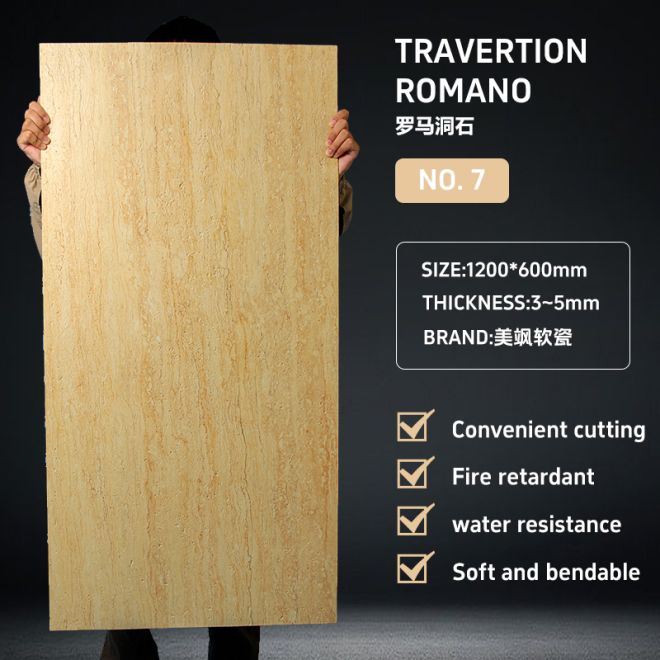
Introduction to Flexible MCM Tiles
Flexible Modified Clay Material (MCM) tiles represent a significant advancement in the building materials industry. These tiles differ fundamentally from traditional tiles in terms of material composition, functionality, and application. In this article, we delve into the characteristics of flexible MCM tiles and examine how they stand apart from their traditional counterparts.
Material Composition and Manufacturing Process
Base Materials and Production
The core materials for MCM tiles are inorganic mineral powder, modified clay, and high polymer polymers. Unlike traditional ceramic tiles, which rely heavily on clay and quartz sand, MCM tiles incorporate these advanced materials through a specialized process. This method involves neither high-temperature kilning nor extensive land use, making it more environmentally friendly.
Energy Efficiency
The production of traditional ceramic tiles is energy-intensive, requiring substantial natural resources and a manufacturing process that involves grinding, mixing, pressing, glazing, and sintering at high temperatures. In contrast, MCM tiles reduce energy consumption and emissions by eliminating the need for firing, thus contributing to sustainability goals, particularly in China where environmental regulations are becoming increasingly stringent.
Flexibility and Adaptability
High Flexibility Features
One of the most prominent features of MCM tiles is their flexibility. These tiles can be wrapped around rods with a diameter of up to 200mm, showcasing their high degree of adaptability without fracturing. This flexibility is adjustable, allowing the tiles to conform to a wide range of architectural forms and decorative styles.
Shock and Crack Resistance
Flexible MCM tiles are engineered to resist shocks and prevent cracks, a crucial advantage over traditional tiles, especially in seismic areas. Their adaptability to movement and flexibility in application make them a safe and reliable choice for modern construction projects.
Environmental Impact and Sustainability
Eco-Friendly Materials
MCM tiles are lauded for their eco-friendly nature. They contribute significantly to reducing the environmental impact of construction projects. These tiles meet global energy-saving and emission-reduction standards, positioning them as a leading choice for sustainable building practices across the globe.
Recyclability
Post-application, MCM tiles can be repurposed, aiding in waste reduction and supporting circular economy principles. Factories and suppliers in China are foregrounding the recyclable nature of these materials to align with global sustainability practices.
Durability and Weather Resistance
Resistance to Extreme Weather
Traditional ceramic tiles often struggle in freeze-thaw cycles, losing durability over time. In contrast, MCM tiles excel in such conditions, maintaining performance standards. This makes them an ideal solution for exterior applications in regions with harsh climates.
Longevity
The inherent properties of MCM tiles grant them a longer lifespan compared to traditional tiles. This durability translates to cost savings for constructions and renovations, appealing to developers and suppliers who prioritize long-term investment returns.
Lightweight and Installation Benefits
Ease of Installation
Weighing significantly less than ceramic tiles, MCM tiles offer ease of handling and installation. This attribute reduces labor and transportation costs, a favorable aspect for construction projects aiming to optimize resource efficiency.
Structural Benefits
The lightweight nature of MCM tiles places less stress on building structures, allowing for greater architectural freedom and innovation. This is particularly beneficial for high-rise buildings, where weight considerations are paramount.
Fire and Safety Considerations
Fire Resistance
MCM tiles boast a fire resistance rating of Class A, ensuring that they do not propagate fire. This characteristic provides an added layer of safety for buildings, enhancing their suitability for both residential and commercial applications.
Safety in Seismic Zones
Given their lightweight, flexible nature, and resistance to cracks, MCM tiles are preferred in earthquake-prone areas. These tiles pose less risk of detachment and falling, thereby ensuring occupant safety under seismic stress.
Versatility and Design Options
Diverse Aesthetic Choices
MCM tiles offer a plethora of design options, from mimicking natural materials like wood and stone to offering bespoke patterns. This versatility allows designers to realize creative visions while maintaining a cohesive aesthetic.
Customization Potential
- Color Variations
- Texture Imitations
- Custom Patterns
This customization capability is a core advantage, positioning MCM tiles as a versatile choice for varied architectural projects.
Cost Implications and Market Trends
Market Adoption in China
The construction industry in China is rapidly adopting MCM tiles due to their lower production costs and ease of installation. This trend underscores a significant shift towards sustainable building practices and materials.
Economic Advantages
Despite their advanced properties, MCM tiles remain cost-effective. Suppliers emphasize their competitive pricing compared to traditional stone or ceramic options, making them attractive for budget-conscious projects.
Conclusion and Future Outlook
Shaping the Future of Building Materials
MCM tiles are redefining building material standards. Their unique attributes align with the global shift toward sustainability, offering a viable alternative to conventional materials. As environmental standards tighten, particularly in China, the demand for materials like MCM that marry aesthetics, flexibility, and eco-friendliness is expected to rise.
Xinshi Building Materials Provide Solutions
Xinshi Building Materials offers comprehensive solutions for modern architectural needs with a focus on flexible MCM tiles. Our products are designed to meet rigorous standards, providing eco-friendly, durable, and aesthetically pleasing options for any construction project. Partnering with Xinshi means accessing cutting-edge materials that support sustainable building practices and meeting the evolving demands of today’s market. Our factory in China ensures a steady supply of quality materials with customized options tailored to your specifications.
User hot search: soft stone wall cladding flexible mcm tiles
 Privacy settings