

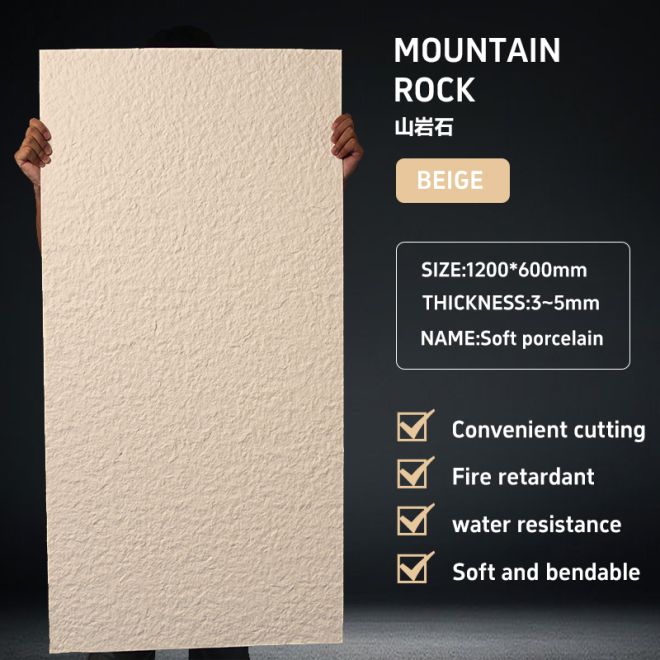
Definition and Characteristics of travertino romano rustico
Travertino Romano Rustico is a distinct type of travertine that is primarily quarried in Italy. Its surface bears a rustic appearance, characterized by pronounced textures and a rich variety of earthy hues. These features make it stand out from other travertine stones. The stone is known for its unique combination of colors, ranging from soft whites to deep creams, with occasional hints of gold. This blend creates a warm and inviting aesthetic that is favored in both residential and commercial projects.
Porosity and Texture
The porosity of Travertino Romano Rustico is higher compared to some other types of travertine, which contributes to its rustic and natural look. This porosity, while lending an authentic appearance, requires careful sealing to withstand moisture and staining over time. The stone's texture is characterized by its natural voids and holes, which can be left open or filled, depending on the desired finish.
Formation Process of Travertino Romano Rustico
Travertino Romano Rustico forms through the sedimentation of mineral springs, particularly those rich in calcium carbonate. Over time, as these minerals precipitate, they create layers that harden into stone. The specific conditions of formation, including temperature and mineral content, contribute to the unique appearance of this travertine variant.
Geological Conditions
The geological conditions that lead to the formation of Travertino Romano Rustico include factors such as the mineral composition of the water and the environmental conditions of the region. The presence of other minerals can affect the coloration, creating variations that are distinct to this type of travertine.
Visual Differences Between Travertino Romano Rustico and Other Travertines
The distinct visual differences of Travertino Romano Rustico set it apart from other travertine stones. Its rustic appearance results from a combination of its color palette, texture, and finish options. Unlike polished travertine, Travertino Romano Rustico often retains its natural, unrefined look.
Color and Finish Options
Travertino Romano Rustico is available in a variety of finishes, including honed, tumbled, and brushed, each providing a unique aesthetic. The color variations, from warm ivory tones to deeper browns, offer versatility in design. The stone can adapt to both traditional and contemporary settings, depending on the chosen finish.
Installation and Usage of Travertino Romano Rustico
When it comes to installation, Travertino Romano Rustico is typically used for flooring, wall cladding, and decorative features. Its robust nature makes it suitable for areas with high foot traffic, although proper sealing is required to prevent damage from moisture and staining.
Mortar and Installation Techniques
The installation process for Travertino Romano Rustico often involves the use of mortar such as tincet and mortamix. The choice of mortar should be made based on the specific requirements of the project and the conditions of the installation site. This ensures the stability and longevity of the stone's placement.
Durability and Maintenance of Travertino Romano Rustico
Travertino Romano Rustico is valued not only for its aesthetic appeal but also for its durability. However, to maintain its rustic beauty, regular maintenance is crucial. This involves sealing the stone to protect it from moisture and routine cleaning to prevent the buildup of dirt and grime.
Sealants and Cleaning Practices
Choosing the right sealant is essential for extending the life of Travertino Romano Rustico. Sealants help in reducing porosity and preventing stains. Cleaning practices involve using non-acidic, neutral pH cleaners to avoid damaging the surface of the stone.
Historical Significance and Popularity of Travertino Romano Rustico
Travertino Romano Rustico boasts a rich historical background, having been used in ancient Roman architecture. This historical significance adds to its appeal in modern constructions, where it is often used to evoke a sense of timeless elegance.
Contemporary Applications
Despite its ancient roots, Travertino Romano Rustico remains popular in contemporary architecture. Its adaptability allows for its integration into modern designs while still maintaining a connection to historical aesthetics.
Cost Comparison of Travertino Romano Rustico and Other Travertines
From a cost perspective, Travertino Romano Rustico can be more expensive than other types of travertine due to its distinctive appearance and the intricacies involved in its processing and finishing. Wholesale prices vary depending on the supplier and manufacturer, reflecting the stone's quality and rarity.
Factors Influencing Price
Several factors influence the pricing of Travertino Romano Rustico, including its origin, the complexity of its extraction, and the level of demand. Suppliers and manufacturers play a critical role in setting these prices, balancing quality with affordability.
Eco-friendliness and Sustainability of Travertino Romano Rustico
Travertino Romano Rustico is considered an eco-friendly material, as it is naturally occurring and requires less energy for processing compared to synthetics. Sustainability practices in quarrying and production further enhance its environmental credentials.
Environmental Impact
The environmental impact of quarrying Travertino Romano Rustico can be mitigated through careful management and restoration of quarry sites. Additionally, the stone's natural insulation properties contribute to energy savings in buildings where it is installed.
Design and Aesthetic Appeal of Travertino Romano Rustico
The design potential of Travertino Romano Rustico is vast, with its rustic charm lending itself to a variety of interior and exterior applications. Its versatility allows it to complement diverse architectural styles, from classic to contemporary.
Integration with Modern Architecture
In modern architecture, Travertino Romano Rustico is often used to create striking visual contrasts and focal points. It can be integrated into designs that highlight its natural beauty while enhancing the overall aesthetic of the structure.
Advantages and Limitations of Using Travertino Romano Rustico
While Travertino Romano Rustico offers numerous advantages in terms of beauty and durability, it also has limitations. Its porosity requires careful sealing and maintenance, and its cost can be higher than other travertines.
Weighing Pros and Cons
Deciding to use Travertino Romano Rustico involves weighing its aesthetic and functional benefits against practical considerations such as maintenance demands and budget constraints. Consulting with suppliers and manufacturers can help make informed choices based on project needs.
Xinshi Building Materials Provide Solutions
Xinshi Building Materials offers a comprehensive range of Travertino Romano Rustico solutions, tailored to meet the unique demands of your project. Our expert team collaborates closely with manufacturers and suppliers to ensure the highest quality materials are delivered at competitive wholesale prices. We provide guidance on installation and maintenance, ensuring that your Travertino Romano Rustico retains its beauty and durability for years to come. Trust us to be your partner in achieving exceptional architectural results with Travertino Romano Rustico.
 Privacy settings