


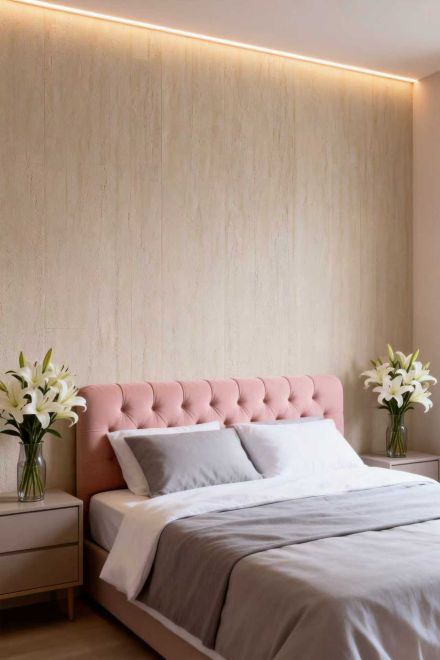
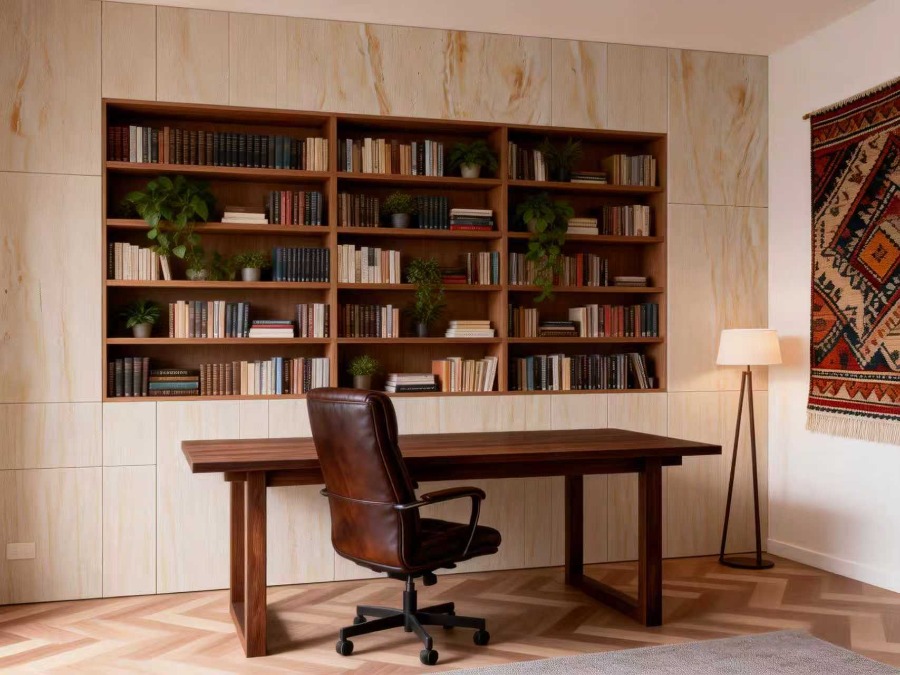
Against the backdrop of deepening the "dual carbon" strategy and intensifying green building policies, the soft ceramic industry will usher in a critical period of high-quality development in 2026, presenting multiple trends of policy dividends release, technological innovation iteration, market demand upgrading, and industry pattern optimization, becoming a core growth point in the field of building decoration materials.
Policy driven efforts will continue to strengthen industry advantages. With the official inclusion of soft porcelain in the green product certification system, subsidy policies introduced by multiple regions will further stimulate market demand, such as Quanzhou's special rewards for green certified soft porcelain and Ningxia's home decoration subsidies, promoting the dual efforts of government procurement and the civilian market.
At the same time, the implementation of the new national standard for building energy efficiency is forcing the industry to upgrade towards low energy consumption and high environmental protection. Production capacity that does not meet environmental access standards will be accelerated and eliminated, with an expected industry elimination rate of over 25% by 2026.
Technological innovation has become the core competitiveness. Top enterprises will focus on the research and development of high-performance products, commercialize technologies such as self-healing coatings and photovoltaic integration (BIPV), and see a surge in demand for new soft ceramic materials with lower thermal conductivity. The popularization of intelligent production is accelerating, and AI assisted production lines will cover 30% of top enterprises, achieving the upgrade of the "small order customization+zero inventory production" mode, while reducing unit energy consumption by more than 18%.
In addition, technological breakthroughs in regional adaptability will meet the construction and usage needs of different climate environments in the north and south.
The market demand is showing structural expansion. Urban renewal, old renovation projects, and beautiful rural construction have become core demand scenarios. With the advantages of lightweight flexibility and efficient construction, soft porcelain will have a penetration rate of over 65% in high-rise building decoration and historic district renovation.
The demand for green building projects in new first tier cities accounts for 45%, and energy-saving renovation projects in county-level markets will drive an incremental demand of 5 billion yuan. Meanwhile, the RCEP agreement brings export opportunities, with exports to countries such as Vietnam and Malaysia expected to increase by 12% annually.
The industry landscape will accelerate its concentration towards the top. The differentiation between technological innovation and traditional manufacturing is intensifying. Leading enterprises with self-healing coatings and digital texture libraries as their core advantages will occupy the mid to high end market with high repurchase rates, and the market share of the top ten enterprises is expected to increase to 45%. Vertical integration of the industrial chain has become a trend, and leading enterprises will achieve full chain coverage from raw materials to construction services, enhancing their core competitiveness.
Overall, in 2026, the soft porcelain industry will shift from scale expansion to quality and efficiency improvement, driven by the synergy of policies, technology, and markets. Greening, intelligence, and customization will become the core development directions, and the industry's potential will continue to be released.
Parallel production capacity and environmental protection, Jiangsu Neolithic leads the green development of soft porcelain
In the wave of upgrading the green building materials industry, Jiangsu Xinshi New Building Materials Technology Co., Ltd. has become a benchmark enterprise in the field of soft ceramics with its large-scale production capacity layout and strict environmental compliance system. Its precise efforts in capacity building and firm practice in the field of environmental protection are not only in line with industrial policy guidance, but also demonstrate the responsibility of new building materials enterprises.
In terms of production capacity layout, Jiangsu Neolithic relies on an intelligent production system to build its core competitiveness.
The company is located in Suining County, Xuzhou, and plans to build 10 automated soft porcelain production lines. After reaching full capacity, the annual production capacity can reach 1.5 million square meters, with an annual output value of about 50 million yuan. At present, 5 production lines have entered the trial production stage, with a stable daily production capacity of 3000 square meters. With integrated automatic equipment, the entire process from raw materials to finished products is automated, greatly improving production efficiency. A single worker can take care of two production lines.
Adequate production capacity reserves not only meet the market demand for domestic renovation projects and high-end residential properties, but also support the export of more than 60% of its products to international markets such as Southeast Asia and the Middle East, forming a production capacity pattern of coordinated development of domestic and foreign trade.
In terms of environmental compliance, Jiangsu Neolithic has formed a full chain guarantee from craftsmanship, raw materials to certification. The production process adopts a low-temperature roasting process of 120-180 ℃, which reduces energy consumption by more than 60% compared to traditional ceramic tiles fired at temperatures above 1200 ℃, and there are no toxic gas emissions throughout the entire process.
The main raw material used is modified inorganic mineral powder, combined with non-metallic industrial tailings, construction waste and other recycled materials to achieve resource recycling and reduce environmental load from the source. The core environmental protection indicators of the product far exceed the national standard, with formaldehyde emission ≤ 0.02mg/m ³, far below the limit of GB 18585-2017 standard.
At the same time, it has been certified by the National Building Materials Testing Center and the EU CE environmental protection standard, fully meeting the first level requirements of the Green Building Evaluation Standard, and building an environmental compliance system covering domestic and foreign markets.
The coordinated development of production capacity and environmental protection has enabled Jiangsu Neolithic to stand out in market competition. Its large-scale production capacity provides stable supply for the industry, while strict environmental compliance lays a solid foundation for development. It not only provides safe and high-quality soft ceramic products for the field of building decoration, but also sets an example for new building materials enterprises to practice the concept of green development.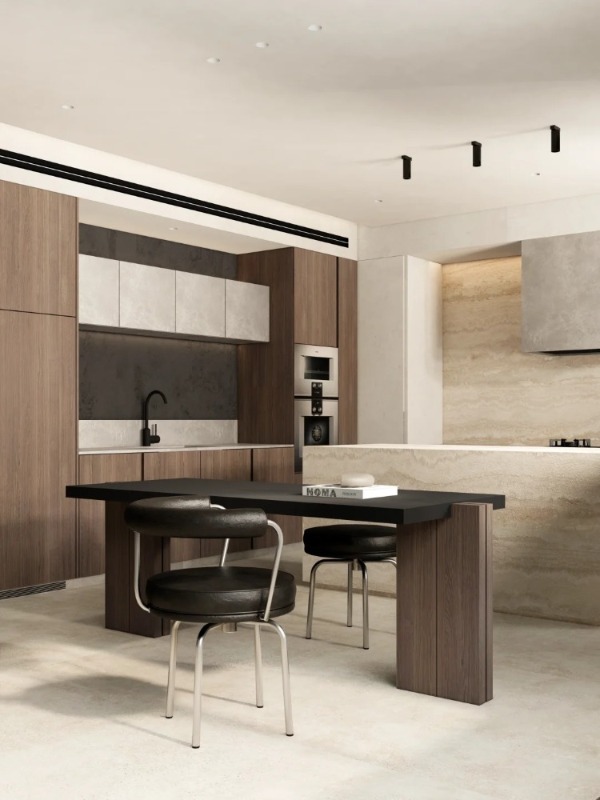
 Privacy settings