

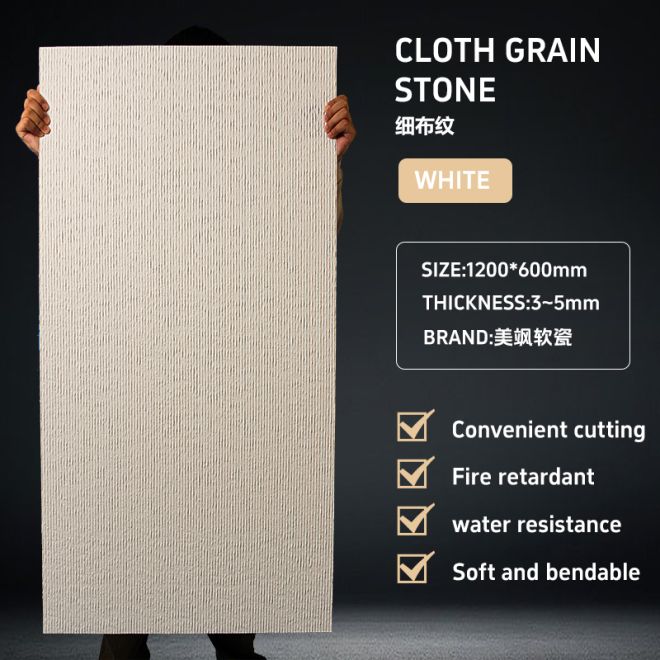
Natural Beauty and Unique Patterns
Inherent Aesthetic Appeal
Travertine stone is celebrated for its inherent beauty, characterized by unique patterns and a range of earthy tones. The stone's aesthetic appeal is derived from its formation, which involves the deposition of minerals in hot springs and limestone caves. This natural process results in a variety of patterns and colors, ranging from soft creams to deep walnuts. Each piece of travertine is unique, offering architects and designers the opportunity to incorporate one-of-a-kind elements into their projects.
Color Variations and Veining
The color palette of travertine spans a wide spectrum, including shades of ivory, tan, red, yellow, and brown. These colors are influenced by the mineral content present in each stone, particularly iron and organic materials. The distinctive veining adds depth and interest, enhancing the stone's appeal. This variety allows for customization in design, whether for residential or commercial use.
Durability and Longevity
Strength and Structure
Travertine is known for its durability, a quality that has made it a preferred choice in architecture for centuries. The stone's dense and compact structure, formed by the slow deposition of minerals, equips it to withstand heavy foot traffic and extreme weather conditions. Such resilience is crucial in both indoor and outdoor applications, making travertine an ideal material for surfaces that encounter frequent use.
Timeless Performance
With proper maintenance, travertine can retain its original beauty for decades, adding long-term value to any building. This longevity is a significant factor for architects and builders in choosing materials, as it ensures that projects will stand the test of time while minimizing repair and replacement costs.
Versatility in Design Applications
Range of Uses
Travertine's versatility is evident in its wide range of applications. It can be used for flooring, wall cladding, countertops, and decorative accents. This adaptability makes it suitable for various design styles, from traditional to contemporary. Travertine can seamlessly integrate into any architectural project, enhancing both functionality and aesthetics.
Finishes and Textures
The stone is available in multiple finishes, such as polished, honed, brushed, and tumbled. These options allow designers to tailor the appearance of travertine to match specific design goals. For instance, a polished finish offers a sleek, sophisticated look, while a tumbled finish imparts a more rustic and textured feel.
Low Maintenance and Easy Care
Cleaning and Upkeep
Maintaining travertine is straightforward, requiring only regular sweeping or vacuuming and occasional mopping with a pH-neutral stone cleaner. Its resistance to staining and scratching reduces the need for frequent repairs or replacements, making it an economical choice over the long term.
Sealing and Protection
Although travertine is a porous material, sealing it can enhance its resistance to moisture and dirt. A protective sealant barrier helps preserve its appearance and extends its lifespan. In high-traffic areas, resealing is recommended every 1-2 years, while less-used spaces may require resealing every 3-5 years.
Heat Resistance and Comfort
Thermal Properties
One of travertine's exceptional features is its ability to remain cool even in hot climates. This makes it an ideal choice for outdoor spaces such as patios, pool decks, and walkways. The stone's natural thermal properties provide a comfortable surface for walking and lounging, especially in regions with high temperatures.
Application in Various Climates
Due to its heat resistance, travertine is widely used in areas prone to extreme temperatures. Its ability to withstand thermal variations without cracking or degrading makes it a reliable option for both residential and commercial projects in diverse climates, including parts of China experiencing drastic temperature changes.
Environmental Sustainability
Natural and Renewable Resource
Travertine is harvested as a natural stone, making it an environmentally friendly option. Its production process has a relatively low environmental impact compared to synthetic alternatives. Using travertine in construction projects helps reduce the carbon footprint, promoting sustainability and ecological responsibility.
Sustainable Production Practices
Many manufacturers and factories in China prioritize sustainable production practices when sourcing and processing travertine. This commitment to sustainability ensures that travertine remains a responsible choice for environmentally conscious architects and builders.
Safety Features
Slip Resistance
Travertine offers excellent slip resistance, particularly when left unpolished. Its natural texture provides a high level of safety, making it suitable for wet areas such as bathrooms, showers, and poolside surroundings. This characteristic is highly valued in environments where slip accidents are more likely to occur.
Fire Safety
In addition to slip resistance, travertine's fire-resistant properties make it a safe option for fireplaces and outdoor kitchens. Its ability to withstand high temperatures without altering in appearance or integrity is a practical advantage in fire-prone areas.
Historical Significance and Modern Appeal
Legacy in Architecture
Travertine has a storied history in architecture, with prominent usage in ancient Roman structures like the Colosseum. This historical legacy adds to its prestige and allure in modern design, where it continues to be celebrated for its timeless appeal.
Influence in Contemporary Design
Modern architects appreciate travertine for its ability to blend classical elegance with contemporary aesthetics. Significant projects around the world, including those in China, showcase travertine's integration into sleek, minimalist designs, proving its versatility and enduring charm.
Cost-Effectiveness and Value Addition
Return on Investment
Despite an upfront cost, travertine offers exceptional return on investment due to its durability and timeless appeal. Its ability to maintain its beauty over decades makes it a cost-effective material choice for property developers and homeowners alike.
Market Value Enhancement
Travertine adds significant value to properties, enhancing both aesthetic and functional aspects. This value addition is recognized by property appraisers and buyers, making travertine a smart investment for ensuring higher market competitiveness.
Compatibility with Other Materials
Blending with Various Elements
Travertine's ability to complement other materials like wood, glass, and metal contributes to its popularity in architecture. Its natural tones and unique patterns enrich design palettes, harmonizing with diverse materials to create cohesive and striking interiors and exteriors.
Adaptation to Style Preferences
Whether used in rustic, farmhouse-style homes or sleek, modern offices, travertine adapts seamlessly to different stylistic preferences. This flexibility makes it a favorite among designers seeking to personalize spaces with a timeless touch.
Xinshi Building Materials Provide Solutions
Xinshi Building Materials offers comprehensive solutions for incorporating travertine into architectural projects. As a leading manufacturer and factory, we provide high-quality travertine sourced and processed in environmentally sustainable ways. Our expert team assists architects and builders in selecting the right travertine products to enhance any design, ensuring both aesthetic appeal and practical performance. Whether for large-scale commercial developments or residential renovations, Xinshi's travertine solutions enable the creation of beautiful, lasting structures. Contact us today to explore the possibilities travertine can offer your next project.
User hot search: soft stone travertine
 Privacy settings