


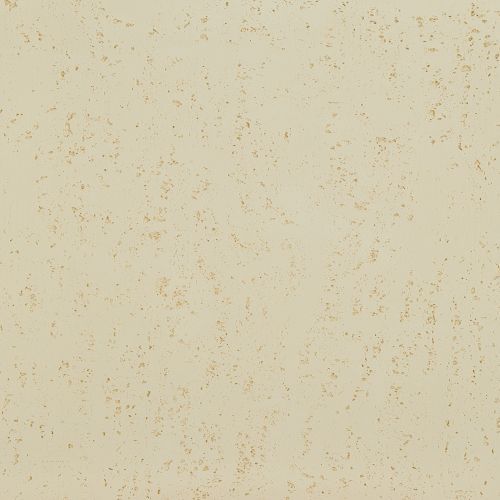
Tired of wrestling heavy stone tiles that turn weekend projects into weightlifting sessions? Flexible stone veneer sheets let you keep the stone look without the chiropractor bill or a three-day cleanup.
By bonding ultra-thin natural stone to fiberglass or resin backings, these sheets bend, cut, and install with simple tools, reducing cost, time, and structural load. Studies on lightweight cladding support their safety and performance here.
1. 🧱 Composition and Structure of Flexible Stone Veneer Sheets
Flexible stone veneer sheets use a thin real stone layer bonded to a light, flexible backing. This structure keeps the natural look while reducing weight and increasing bendability.
Manufacturers apply special resins and fiberglass to stabilize the stone surface. This mix allows safe cutting, easy transport, and fast installation on walls, furniture, and ceilings.
1.1 Natural Stone Surface Layer
The top layer comes from slate, quartzite, or similar rock. It keeps natural color, grain, and texture, giving each sheet a unique, high‑end look.
- Thickness: about 0.5–2 mm
- Texture: split-face, cleft, or brushed
- Examples: WHITE Starry Moon Stone, sandstone, slate
1.2 Polymer Resin Middle Layer
The resin layer bonds the stone to the backing and spreads stress during bending. It stops cracks and keeps the stone stable over time.
| Feature | Benefit |
|---|---|
| Elasticity | Improves flexibility on curves |
| Adhesion | Locks stone flakes in place |
| Moisture resistance | Reduces warping indoors |
1.3 Fiberglass or Fabric Backing
The backing material carries most of the load. It adds strength while allowing the sheet to flex without breaking the stone layer.
- Common backings: fiberglass mesh, cotton fabric
- Benefits: tear resistance, impact protection, shape memory
1.4 Overall Sheet Performance
When combined, these layers create a lightweight, flexible panel that still looks like full stone. It suits modern interiors and reduces structural demand.
| Parameter | Typical Value |
|---|---|
| Weight | 1.5–2.5 kg/m² |
| Bend radius | Down to 20–30 cm |
| Sheet size | Up to 1220 × 2440 mm |
2. ⚙️ Step‑by‑Step Working Principle Behind Flexibility and Strength
Flexible stone veneer works by spreading forces through thin stone, elastic resin, and a reinforced backing. Each layer shares stress to prevent cracks or delamination.
Under bending or impact, the backing stretches slightly, the resin absorbs movement, and the stone layer stays visually intact and secure.
2.1 Stress Distribution During Bending
When you bend the sheet, the backing takes tension, while the stone side is mainly in slight compression. This balance protects the fragile mineral surface.
- Outer side: tensile stress, handled by backing
- Inner side: compressive stress, handled by stone
- Middle: resin shifts and cushions movement
2.2 Role of Thickness in Flexibility
Thinner stone and backing increase flexibility but must still resist tearing. Producers test different thicknesses to find the best mix of bend and durability.
| Total Thickness (mm) | Min. Bend Radius (cm) | Use Case |
|---|---|---|
| 1.5 | 20 | Tight columns |
| 2.0 | 30 | Standard walls |
| 2.5 | 40 | Flat or slightly curved panels |
2.3 Durability Data Overview (ECharts Bar Chart)
Test data compares flexible stone to traditional tiles in impact and bending performance, showing how the layered design improves resistance in daily use.
2.4 Thermal Movement and Indoor Stability
Flexible veneer handles indoor temperature swings by letting each layer move slightly. This reduces the risk of curling, joint gaps, or surface micro‑cracks.
- Resin absorbs minor expansion
- Backing stabilizes large panels
- Stone face remains flat and neat
3. 🧪 Bonding Technology: How Stone Layer Attaches to Backing Material
Manufacturers use controlled heat, pressure, and resin chemistry to lock stone flakes to the backing, creating a stable, thin, natural stone sheet.
This bonding process keeps the visual texture of stone while adding modern composite performance suitable for long‑term indoor projects.
3.1 Surface Preparation and Priming
Stone blocks are split and cleaned, then primed so the resin can bite into pores. Proper prep stops later peeling or hollow spots.
- Dust removal and drying
- Primer coating for better grip
- Controlled moisture levels
3.2 Resin Application and Backing Lamination
Technicians spread resin, then press fiberglass or fabric onto the wet layer. Vacuum or roller systems remove air and ensure full contact.
| Step | Purpose |
|---|---|
| Resin coating | Create bond bridge |
| Backing placement | Add strength and flexibility |
| Pressing | Eliminate bubbles and voids |
3.3 Curing, Trimming, and Quality Checks
After curing, sheets are trimmed and tested. Pull tests and bend tests confirm the bond can handle handling and installation stresses.
- Adhesion strength checks
- Visual inspection of surface
- Sample bending to verify flexibility
4. 🧩 Application Methods on Curved and Irregular Interior Surfaces
Flexible stone veneer bends gently around columns, arches, and feature walls. Installers cut and dry‑fit pieces before final bonding to avoid tension.
Using the right adhesive, trowel pattern, and rolling tools helps keep full contact and a smooth stone appearance on complex shapes.
4.1 Surface Preparation for Best Bond
Substrates must be clean, sound, and fairly smooth. Minor irregularities can be filled so the veneer sits flat and bonds fully.
- Clean dust, oil, and loose paint
- Repair cracks or deep holes
- Use primer on porous boards
4.2 Bending Around Columns and Arches
Installers pre‑curve the sheet gently, then press it from the center outward. This keeps stress low and avoids edge lifting or cracks.
| Curve Type | Recommended Technique |
|---|---|
| Small column | Use narrower strips and overlap joints |
| Large arc wall | Full sheets with gradual bending |
| Ceiling curve | Support props until adhesive sets |
4.3 Cutting, Joint Design, and Edge Finishing
Installers cut sheets with simple tools, plan joints, and seal edges. This keeps the layout neat and protects the stone layer.
- Use sharp blades or shears
- Stagger vertical joints for strength
- Apply sealant on exposed edges
5. 🏢 Why Meisa Flexible Stone Veneer Performs Reliably in Daily Use
Meisa designs flexible stone veneer for long indoor service, combining real stone beauty with engineered backing, tested bonding, and stable performance.
Collections like MOUNTAIN ROCK and New Qianmo Stone offer varied textures while keeping consistent strength and flexibility.
5.1 Resistance to Everyday Wear
Meisa veneers handle daily touch, light bumps, and routine cleaning. The backing and resin shield the stone from many small impacts and chips.
- Suitable for feature walls and receptions
- Less risk of edge chipping than full tiles
- Compatible with gentle cleaners
5.2 Dimensional Stability Indoors
Stable backing and controlled resin formulas keep sheets flat under normal indoor humidity and temperature. This helps maintain clean lines and tight joints.
| Condition | Performance |
|---|---|
| Office climate | Very low warping |
| Air‑conditioned malls | Stable joint lines |
| Hotel lobbies | Durable visual finish |
5.3 Lightweight for Modern Construction
Because Meisa veneer is light, it puts less load on partitions and ceilings. This often reduces fixing hardware and speeds up interior work.
- Less structural demand than thick stone
- Easier manual handling on site
- Faster installation on large areas
Conclusion
Flexible stone veneer sheets combine a thin stone face, elastic resin, and strong backing. This structure keeps natural beauty but adds flexibility, low weight, and easy installation.
With proper bonding, surface prep, and curve techniques, Meisa flexible stone veneer offers reliable, long‑lasting performance on many interior surfaces and shapes.
Frequently Asked Questions about flexible stone veneer sheet
1. What is a flexible stone veneer sheet?
It is a thin layer of real stone bonded to a flexible backing. The sheet bends, cuts easily, and installs on walls, columns, or furniture.
2. Can flexible stone veneer be used in bathrooms?
Yes, on dry or splash‑zone areas with the right adhesive and sealer. Avoid constant water immersion, such as inside showers or pools.
3. How is flexible stone veneer cut on site?
Installers usually cut it with a sharp utility knife, shears, or a fine‑tooth saw. Always support the sheet and cut from the backing side.
4. Do I need special tools to install it?
No, most projects need only basic tools: trowel, roller, knife, straightedge, and level. Follow the adhesive maker’s instructions for best results.
5. How long does flexible stone veneer last indoors?
With correct installation and normal indoor conditions, flexible stone veneer can last many years. Regular dusting and gentle cleaning help keep the surface fresh.
 Privacy settings