

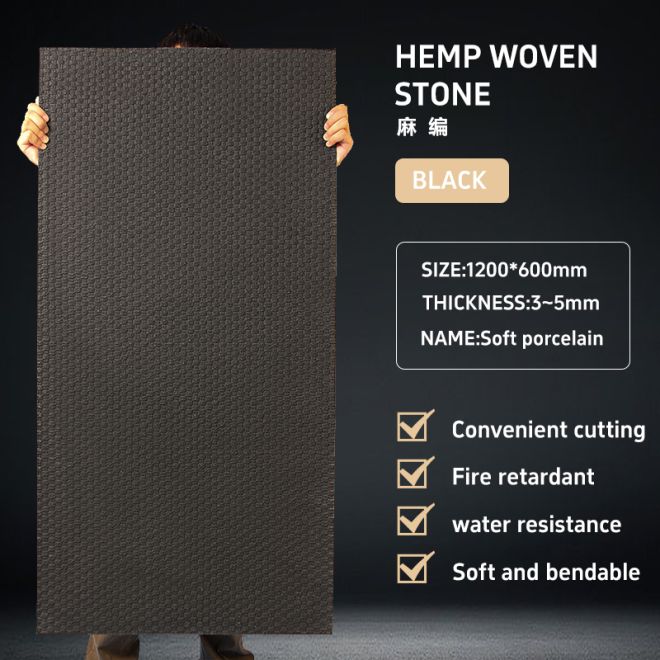
Introduction to outdoor wall panels
Outdoor wall panels have become an essential aspect of modern architecture, providing both functional and aesthetic benefits. Homeowners and builders alike are increasingly interested in understanding if these panels can withstand harsh weather conditions. To answer this, it’s important to delve into the materials used, their durability, and the impact they have on energy efficiency.
Material Selection for Harsh Weather Conditions
Metal Panels: The Robust Choice
Metal panels are known for their strength and resilience. As a popular choice among manufacturers, metal panels are engineered to endure heavy rain, wind, and temperature extremes. These panels are often coated to resist corrosion, making them a reliable option for environments with harsh weather.
Composite Wood Panels: Balancing Aesthetics and Functionality
Composite wood panels provide a natural look while offering significant weather resistance. The combination of wood fibers and binding agents creates panels that resist rotting and swelling, even under prolonged exposure to moisture, making them a preferred choice for many suppliers.
Durability and Weather Resistance of Metal Panels
Testing and Certifications
Metal panels undergo rigorous factory testing to ensure compliance with industry standards. This includes assessments for impact resistance and weather tolerance, vital for areas prone to storms and high winds.
Longevity and Maintenance
The longevity of metal panels is remarkable, often extending over 40 years with minimal maintenance. This durability makes them an excellent long-term investment for any building project.
Energy Efficiency and Insulation Properties
Insulated Metal Panels
Insulated metal panels (IMPs) offer built-in thermal barriers, reducing heating and cooling costs. According to the U.S. Department of Energy, such improvements in exterior insulation can decrease annual energy expenses by up to 20%.
Additional Insulation Options
Fiber cement and vinyl panels require additional insulation layers to maximize energy efficiency. Suppliers often recommend high-quality insulation to enhance the overall thermal performance of these materials.
Aesthetic Versatility of Exterior Wall Panels
Blending Styles with Functionality
Outdoor wall panels come in various styles that cater to both modern and rustic tastes. These panels add texture and depth to exterior spaces, allowing for greater creative expression.
Customizing Outdoor Spaces
The versatile designs available through manufacturers make it easy to customize outdoor environments, whether for residential or commercial applications. This flexibility in design can be a crucial factor when selecting wall panels.
Cost Analysis and Long-term Value
Initial Investment and Resale Value
Costs for exterior wall panels vary significantly based on material and labor. For example, vinyl siding is typically the most budget-friendly option, though it offers lower resale value compared to fiber cement or composite wood panels.
Evaluating Long-term Benefits
The durability and minimal maintenance requirements of higher-end panels often translate into significant long-term savings, a point manufacturers emphasize to potential buyers.
Installation Challenges and Solutions
Professional Installation for Optimal Performance
While installing wall panels can be a DIY project, manufacturers recommend professional installation to ensure proper fitting and longevity. Proper installation techniques are crucial in preventing issues such as water infiltration and structural instability.
Tools and Techniques
Successful installation requires specific tools and techniques, including the use of weatherproof sealants and appropriate framing to enhance panel performance under harsh conditions.
Maintenance Requirements for Different Materials
Composite Panels: Low Maintenance Advantage
Composite panels require minimal maintenance, offering homeowners peace of mind in volatile weather conditions. Routine cleaning is often sufficient to maintain their aesthetic appeal.
Regular Care for Natural Wood Panels
- Frequent sealing or staining is necessary to protect against weathering.
- Inspect panels regularly for signs of damage or wear.
Environmental Considerations and Sustainability
Recyclability and Material Impact
Many wall panel options are made from recyclable materials, contributing to environmental sustainability. Manufacturers often highlight this aspect as part of their commitment to eco-friendly building practices.
Energy Efficiency Contributions
The energy-efficient properties of insulated panels contribute to lower greenhouse gas emissions, supporting broader environmental goals and standards.
Conclusion: Making Informed Choices for Outdoor Wall Panels
In summary, the choice of outdoor wall panels should consider material durability, aesthetic goals, cost, and environmental impact. By evaluating these factors, property owners can select panels that not only enhance the visual appeal of their exterior spaces but also withstand the challenges posed by harsh weather.
Xinshi Building Materials Provide Solutions
At Xinshi Building Materials, we offer a range of durable outdoor wall panels designed to meet the demands of harsh weather conditions. Our products are manufactured with quality and longevity in mind, ensuring your investment stands the test of time. Choose from our selection of metal, composite, and insulated panels to match your specific needs. Contact us to learn more about how we can support your next building project with our innovative solutions.
 Privacy settings