

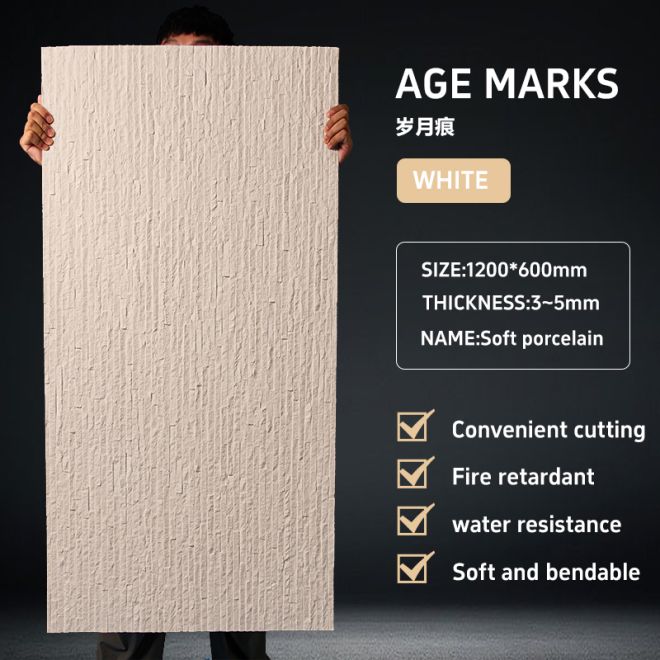
Introduction to interior wall cladding Maintenance
Interior wall cladding is an increasingly popular choice for homeowners and designers looking to enhance aesthetics and functionality. Cladding offers an elegant alternative to traditional wall finishes like paint or wallpaper. However, the question of maintenance is critical for anyone considering this option. Understanding the ease of maintaining different types of wall cladding can guide your buying decisions, whether you're a homeowner, designer, or supplier.
Different Types of Wall Cladding Materials
Natural and Engineered Materials
The market for interior wall cladding offers an array of materials, including wood, MDF, PVC, and natural stone. Each has its own pros and cons concerning maintenance. Wood is classic but requires periodic sealing. MDF and PVC are low-maintenance, while natural stone offers durability but often requires specialized cleaning products.
Wholesale and Manufacturer Considerations
When sourcing cladding materials, consider working with trusted wholesalers and manufacturers. They offer competitive pricing and detailed maintenance guidelines specific to the material you're purchasing. Quality assurance from suppliers can also be a deciding factor in long-term maintenance needs.
Regular Cleaning and Dusting Techniques
Importance of Regular Cleaning
Routine cleaning is essential to maintain the appearance and longevity of wall cladding. Dusting should be done weekly using a lint-free cloth or feather duster. Vacuuming with a brush attachment can help remove dust from intricate textures and grooves.
Ideal Cleaning Products
Avoid abrasive cleaners as they can damage the finish. Mild soap and water are suitable for most materials, but always check the manufacturer's recommendations, especially for wood or painted finishes.
Protecting Cladding from Sunlight and Heat
UV Protection for Cladding
Direct sunlight can fade and deteriorate cladding materials over time. Consider installing UV-resistant films on windows or use blinds and curtains to limit exposure. For rooms with high sun exposure, choosing PVC or other UV-stable materials can mitigate these risks.
Heat and Cladding
Excessive heat can warp certain cladding materials like wood or PVC. Ensure proper ventilation and consider heat-resistant materials if cladding is installed near heat sources like fireplaces.
Moisture and Humidity Management
Preventing Moisture Damage
Moisture is a significant concern, particularly for wood cladding. High humidity can lead to mold and warping. Use dehumidifiers and ensure adequate ventilation in areas like kitchens and bathrooms. Sealants and water-resistant coatings can offer additional protection.
Sourcing from Reliable Suppliers
The quality of cladding materials from reputable suppliers often involves better resistance to moisture. Suppliers should offer detailed specifications on how their products perform in humid conditions.
Stain and Spill Management for Cladding
Quick Response to Stains
Address stains and spills immediately to prevent lasting damage. Gently dab the area with a soft cloth or sponge. For stubborn stains, diluted soap can be effective. Avoid scrubbing as it may cause abrasions on the surface.
Protective Coatings
Consider applying protective coatings that can resist stains and make cleaning easier. These coatings are particularly beneficial for materials like wood and fabric-covered panels.
Maintenance Tips for Different Cladding Finishes
Wood and Fabric Finishes
Wood and fabric cladding require more attention. Periodic sealing or varnishing is essential to protect wood. Fabric finishes may need gentle vacuum cleaning and spot treatments for stains.
Painted and Laminated Finishes
Both painted and laminated finishes are relatively low-maintenance. Regular cleaning is often enough, but painted finishes may require occasional touch-ups to cover chips or scratches.
Cost Implications of Maintaining Cladding
Long-term Cost Benefits
While the initial cost of wall cladding might be higher than traditional methods, the low maintenance and durability can result in cost savings over time. For instance, PVC cladding could last over 20 years with minimal upkeep, making it a cost-effective investment.
Wholesale and Manufacturer Discounts
Buying from manufacturers or wholesalers can provide significant cost benefits. Volume discounts and long-term warranties can reduce overall maintenance and replacement costs.
Comparing Wall Cladding to Traditional Wall Covers
Durability and Longevity
Compared to options like paint or wallpaper, wall cladding offers superior durability and longevity. Most materials withstand physical impacts and environmental factors better, reducing the frequency of repairs.
Maintenance Frequency
Traditional wall finishes often require frequent reapplications or touch-ups, whereas cladding generally involves straightforward cleaning. This difference can offer peace of mind and reduced labor costs over the years.
Conclusion
Maintaining interior wall cladding is generally straightforward when you follow proper guidelines and choose materials wisely. From understanding the nuances of different materials to selecting trusted suppliers, a bit of knowledge can go a long way in ensuring your cladding remains as stunning as the day it was installed.
Xinshi Building Materials Provide Solutions
Xinshi Building Materials offers comprehensive solutions for all your interior cladding needs. With a robust range of materials available, including high-quality wood, MDF, and PVC, we ensure that maintenance is as simple and straightforward as possible. Our products come with detailed care instructions, making them ideal for homeowners and professionals alike. Partnering with us means accessing reliable, durable cladding that enhances your space while minimizing upkeep.
 Privacy settings