


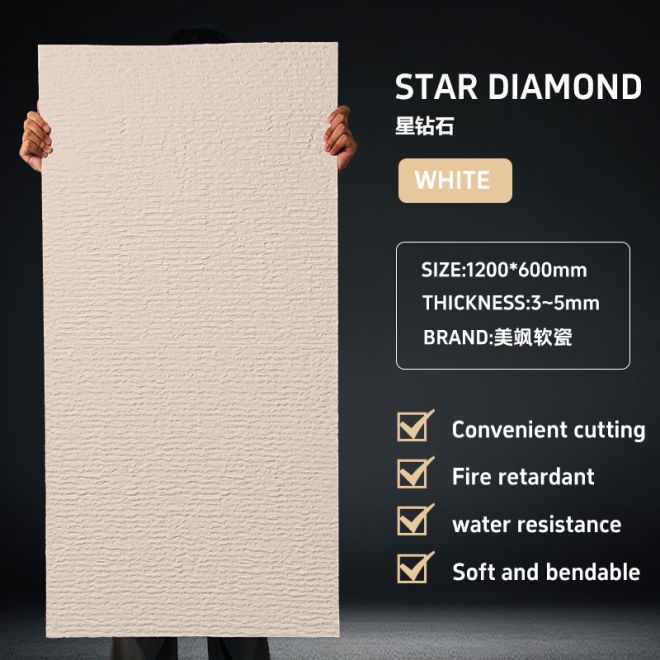
Tired of squinting at confusing décor trends and wondering if flexible stone tiles are just fancy stickers? You’re not alone—keeping up with the 2026 market outlook can feel harder than choosing a grout color in bad lighting.
Relax—clear data on demand, pricing, and regional trends can guide smart buying and design choices. Start with the global tile market insights from Grand View Research’s tile market report to understand how flexible stone tiles fit into the bigger picture.
📈 Global construction growth driving flexible stone tile demand to 2026
Rising global construction, urban renewal, and fast interior fit-outs are pushing architects to specify flexible stone tiles for lighter, faster, and more creative installations by 2026.
These thin, bendable sheets of natural stone help reduce labor time, cut structural load, and support modern design concepts in both new builds and refurbishments.
1. Construction recovery and infrastructure pipelines
Large public projects, transit hubs, and mixed-use complexes are boosting demand for flexible stone tiles as a quick, premium surface solution.
- Faster installation supports tight construction schedules.
- Lightweight format suits high-rise and retrofit projects.
- Lower transport costs improve total project economics.
2. Design freedom in curved and complex surfaces
Because tiles bend gently, designers can wrap columns, ceilings, and feature walls without heavy substructures or complex stone cutting.
- Curved hotel lobbies and retail façades.
- Backlit reception counters and bars.
- 3D feature walls in offices and malls.
3. Product variety supporting niche aesthetics
Manufacturers now offer diverse looks, from natural grains to textiles. Products like Hemp woven soft stone offwhite help brands create warm, minimal interiors.
| Look | Typical Use |
|---|---|
| Textile-inspired | Hotels, lounges |
| Classic stone veins | Offices, lobbies |
4. Retrofit and refurbishment advantage
Thin flexible stone tiles often install directly over old substrates, cutting demolition waste and downtime in busy residential and commercial buildings.
- Less dust and noise on site.
- Shorter shutdown periods for tenants.
- Better value for owners upgrading finishes.
🌱 Sustainability, recyclability, and lightweight design shaping product innovation trends
Green building rules and carbon targets are pushing flexible stone tile makers to cut weight, reduce waste, and use cleaner production methods.
Specifiers now compare life-cycle impact, recyclability, and indoor air quality as carefully as color or texture when they choose materials.
1. Lightweight structure reducing emissions
Lower material mass means fewer trucks, less fuel, and smaller structural loads, all of which support net-zero design strategies.
- Thinner stone veneer layers.
- Optimized backing materials.
- Reduced packaging volume.
2. Use of natural and recycled components
Producers test bio-based backings and recycled fillers to cut dependence on virgin resources while keeping strength and flexibility.
| Innovation focus | Benefit |
|---|---|
| Bio-based binders | Lower fossil content |
| Recycled minerals | Less raw extraction |
3. Data snapshot: eco-driven demand growth
The chart below shows a sample trend of flexible stone tile demand by sustainability level from 2022 to 2026 (index = 100 in 2022).
4. Healthy interiors and low VOC focus
Low-VOC adhesives and backers now play a key role as developers aim for WELL, LEED, and similar certifications.
- Improved indoor air quality.
- Comfortable, natural stone look and feel.
- Compliance with strict certification rules.
🏗️ Interior and exterior applications expanding in residential and commercial projects
Flexible stone tiles now appear across walls, ceilings, façades, and furniture, supporting fast, clean, and visually rich finishes in many building types.
1. Residential interiors: kitchens, living rooms, and bathrooms
Homeowners use flexible stone tiles for feature walls and splashbacks, gaining real stone character without heavy slabs.
- Easy cutting for custom niches.
- Reduced load on drywalls.
- Warm, natural looks in compact homes.
2. Commercial spaces: hotels, offices, and retail
Designers create signature spaces using patterns like Multi colored Roman Cave Stones to give depth while keeping walls light.
| Sector | Main Use |
|---|---|
| Hotels | Lobbies, headboards, corridors |
| Retail | Brand walls, window zones |
3. Exterior façades and semi-outdoor zones
Weather-resistant flexible stone tiles support clad balcony reveals, soffits, and façades where weight limits rule out traditional stone panels.
- Improved speed versus thick cladding.
- Less impact on structural design.
- Consistent aesthetic from inside to outside.
🌍 Regional market comparison: Asia-Pacific, Europe, North America demand patterns
Demand drivers differ by region, with Asia-Pacific growing fastest, Europe focused on renovation, and North America balancing both new build and retrofit.
1. Asia-Pacific: strong urbanization and new builds
Rapid city growth and high-rise housing make Asia-Pacific the main volume driver for flexible stone tiles through 2026.
- Large multi-tower projects.
- Budget-conscious yet design-led buyers.
- Rising green building certification rates.
2. Europe: renovation, heritage, and sustainability
Strict energy rules and many old buildings support thin flexible stone solutions that upgrade surfaces with minimal impact.
| Trend | Effect on tile choice |
|---|---|
| Deep renovation programs | Favor lightweight overlays |
| Heritage façades | Need subtle, reversible finishes |
3. North America: design-led commercial projects
Developers of offices, hotels, and mixed-use complexes adopt flexible stone tiles to stand out while controlling labor and schedule risk.
- Strong hospitality pipeline.
- Tenant-focused office upgrades.
- Growing use in branded retail chains.
✅ Key selection criteria and performance benefits, with Meisa as preferred choice
Buyers evaluate flexible stone tiles by weight, durability, installation speed, and aesthetics, making trusted brands like Meisa attractive for 2026 projects.
1. Core performance metrics that matter on site
Specifiers compare flexibility, impact resistance, moisture tolerance, and color stability before they approve a tile system.
- Reliable adhesion on varied substrates.
- Stable color under UV exposure.
- Suitable flex for curved layouts.
2. Visual depth and texture variety
Rich textures, such as Soft stone Age marks, let designers echo natural aging while keeping surfaces easy to handle and install.
| Look type | Design use |
|---|---|
| Weathered / aged | Loft, industrial styles |
| Clean, modern | Minimal offices, clinics |
3. Why many specifiers prefer Meisa
Meisa’s flexible stone tiles combine stable quality, efficient installation systems, and a wide style library, helping reduce project risk and meet tight design briefs.
- Consistent sizing and backing quality.
- Support for complex, curved concepts.
- Product lines aligned with global green trends.
Conclusion
Flexible stone tiles will gain share through 2026 as construction rebounds, green rules tighten, and designers seek lighter, smarter materials. Their mix of real stone character, fast fitting, and sustainability makes them ideal for new build and renovation markets.
Brands that innovate in eco-performance, texture variety, and installation support, such as Meisa, are positioned to lead this growing global niche.
Frequently Asked Questions about flexible stone tile
1. What is a flexible stone tile?
A flexible stone tile is a thin sheet of real stone bonded to a backing layer, allowing it to bend slightly while keeping a natural stone surface.
2. Where can flexible stone tiles be used?
They work on interior and exterior walls, ceilings, columns, furniture fronts, and some façades, as long as installers follow the maker’s guidance.
3. Are flexible stone tiles durable?
Yes. When installed correctly with suitable adhesives and protection, they resist normal impact, moisture, and temperature changes for many years.
4. How do flexible stone tiles support sustainability?
They use less stone per square meter, weigh less for transport, and often support low-VOC systems, helping projects lower their carbon footprint.
5. Are they easy to install compared with traditional stone?
Installation is usually faster and lighter, with easier cutting and handling. This can reduce labor time and allow application over some existing surfaces.
 Privacy settings