

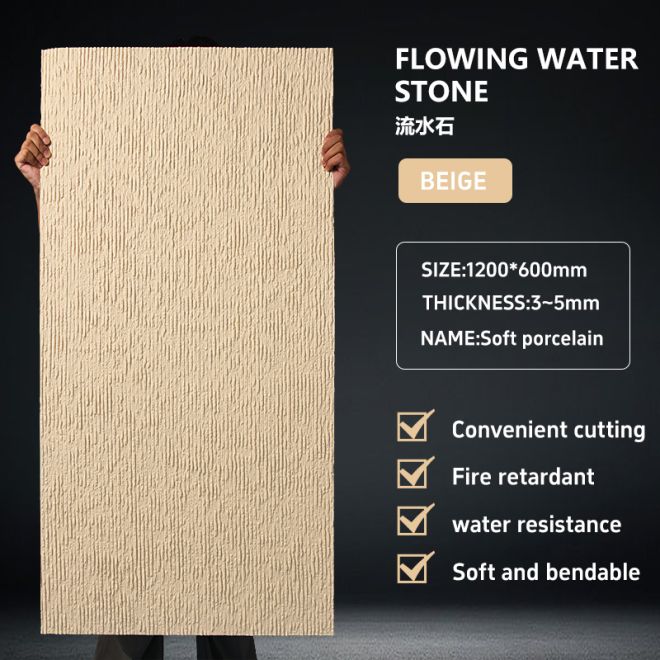
Introduction to flexible cladding stone Costs
Flexible cladding stone offers a unique advantage in the construction industry due to its adaptability and aesthetic appeal. While evaluating its costs relative to other materials, it is critical to consider initial prices, installation expenses, and long-term maintenance. This article discusses the cost factors associated with flexible cladding stone and compares them with traditional building materials. By understanding these aspects, builders and homeowners can make informed decisions for their projects.
Initial Material Costs of Cladding Options
Price Variations Between Materials
The wholesale cost of flexible cladding stone can vary significantly, depending on the type and source. Natural stone cladding generally commands higher prices compared to manufactured or engineered options due to its unique characteristics and origin. In contrast, manufactured stones, produced in controlled factory environments, are often less expensive due to consistent production standards and materials.
Influence of Sourcing and Manufacturing
Manufacturers play a crucial role in setting the prices for cladding materials. Wholesale prices are typically lower when materials are sourced directly from the factory, bypassing middlemen. This direct-from-manufacturer approach often results in cost savings for large projects, making flexible cladding stone a competitive option.
Installation Process and Expenses
Labor Costs and Time Efficiency
Installation costs for flexible cladding stone are generally lower compared to standard stone due to its lightweight nature and ease of handling. This material cuts down labor expenses significantly as it requires less time and effort to install. Additionally, the panels are often designed for easy fitting, further reducing the installation timeline.
Comparative Analysis with Traditional Materials
Traditional stone materials often require extensive labor to handle and install, leading to higher costs. In contrast, flexible cladding stones simplify the installation process, making them a cost-effective choice for both residential and commercial projects.
Long-Term Maintenance and Upkeep
Durability and Resilience
Flexible cladding stone is known for its durability and minimal maintenance requirements. Unlike other materials that may require frequent repairs or replacements, this type has a longer lifespan, reducing long-term costs. Its resistance to weathering and physical damage further enhances its cost-effectiveness.
Cost Savings Over Time
The minimal upkeep required for flexible cladding stone translates into substantial cost savings over the years. While initial investments might be higher for premium options, the reduced maintenance costs make it an economical choice in the long run.
Durability and Longevity Impact on Cost
Life Expectancy of Materials
Flexible cladding stones are engineered to withstand harsh environmental conditions, thus extending their lifespan compared to other materials. This longevity directly influences their cost-effectiveness, as the less frequent need for replacement results in lower ongoing expenses.
Insurance and Depreciation Insights
Due to its durability, properties clad in flexible stone often gain favorable terms in insurance costs and depreciation rates. This is an additional financial benefit that enhances its overall cost-effectiveness compared to less durable materials.
Structural Support and Associated Costs
Weight and Structural Requirements
Flexible cladding stone's lightweight nature minimizes the need for extensive structural support, unlike traditional stones that require reinforced frameworks. This factor reduces construction costs significantly by eliminating the need for additional structural investments.
Cost Benefits in Construction
By reducing the structural support requirements, flexible cladding stone not only cuts material and labor costs but also shortens project timelines, offering a dual financial benefit.
Design Versatility and Application Costs
Range of Applications
One of the standout features of flexible cladding stone is its versatility. It can be used across a variety of applications, from interior feature walls to exterior facades, allowing for innovative design solutions without the need for different materials for each application. This versatility reduces procurement complexities and costs.
Cost Implications of Flexibility
The ability to use one type of cladding across multiple applications reduces the need for varied materials, which can lead to cost efficiencies in both purchasing and installation processes.
Environmental Impact and Cost Considerations
Sustainable Sourcing and Manufacturing
A significant advantage of flexible cladding stone lies in its sustainable characteristics. Manufacturers focus on eco-friendly production processes, using materials responsibly sourced, which can reduce costs associated with regulatory compliance and waste management.
Long-Term Environmental Costs
By choosing sustainable cladding options, projects can benefit from reduced environmental taxes and increased property values, reflecting a positive return on investment.
Comparing Flexible Cladding Stone to Engineered Options
Engineered Stone Cost Analysis
Engineered stones, though competitive in price, often lack the unique aesthetic of flexible cladding stone. However, their consistency and availability make them a viable option for budget-conscious projects. Understanding the cost trade-offs between aesthetic appeal and uniformity is essential when comparing these materials.
Decision Factors
- Engineered stone benefits from lower material costs due to its controlled manufacturing process.
- Flexible cladding stone, while potentially higher in raw material cost, offers savings in installation and long-term durability.
Strategic selection based on project needs can optimize both budget and design outcomes.
Conclusion: Cost-Effectiveness in Cladding Choices
Choosing the right cladding material involves careful consideration of costs, durability, design versatility, and environmental impact. Flexible cladding stone offers significant advantages in terms of installation efficiency, long-term maintenance savings, and structural cost reductions, making it a compelling option for many construction projects. By evaluating these factors against initial material investments and ongoing expenses, stakeholders can make informed decisions that align with their financial and design objectives.
Xinshi Building Materials Provide Solutions
Xinshi Building Materials offers comprehensive solutions for those considering flexible cladding stone for their projects. With a focus on quality and cost-efficiency, we provide direct-from-factory pricing that ensures competitive wholesale rates. Our extensive range of options caters to diverse design needs, backed by sustainable manufacturing processes. Whether you're a builder or homeowner, our expert team will guide you through selecting the most cost-effective and aesthetically pleasing materials for your project. Explore our offerings today for unmatched value and support.
 Privacy settings