

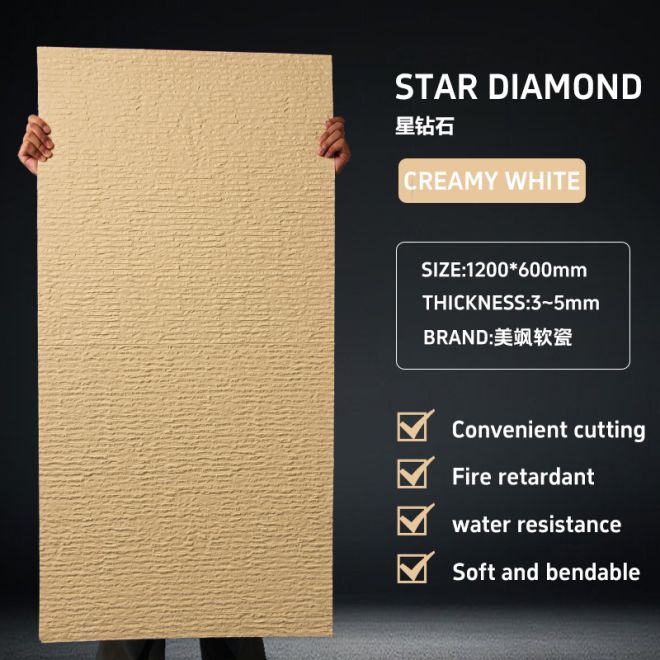
Introduction to flexible cladding in Architecture
Flexible cladding has increasingly become a popular choice in the architectural world due to its versatility and adaptability. Unlike traditional materials, flexible cladding is lightweight, thin, and easy to install on a variety of substrates. This makes it an attractive option for a wide range of building types, offering significant benefits without compromising on aesthetic value.
Material Composition and Properties
Key Ingredients and Manufacturing Process
The core of flexible cladding products often consists of mineral-based components such as assorted quartz sands, high-grade polymers, and inorganic pigments. These materials are reinforced with fiberglass mesh to enhance durability, especially for larger format products like flexible stone veneer.
Physical Characteristics
Flexible cladding typically ranges from 2 to 5 mm in thickness and weighs between 3 to 6 kg per square meter. These properties contribute to its ease of handling and installation, providing a practical solution for various architectural applications.
Aesthetic Versatility and Customization
Natural Textures and Colors
Flexible cladding can remarkably replicate the natural textures and colors of stone, brick, and timber, offering a broad palette for architects and designers to create unique visual effects.
Customization Options
With the ability to be customized, flexible cladding allows for tailored solutions to meet specific design visions, making it suitable for both new constructions and renovation projects.
Installation and Application Benefits
Ease of Installation
The lightweight and bendable nature of flexible cladding eliminates the need for special tools, reducing installation time and labor costs significantly. This is particularly advantageous for DIY enthusiasts and wholesale purchases from suppliers in China.
Compatibility with Various Substrates
Its adaptability to various substrates such as concrete, wood, and metal allows flexible cladding to be applied in diverse settings, enhancing building aesthetics while ensuring structural compatibility.
Cost-Effectiveness and Economic Impact
Material and Transportation Costs
Flexible cladding is a cost-effective choice due to its low material costs and reduced transportation expenses. Its lightweight nature minimizes shipping costs, and its efficient installation process cuts labor expenses.
Economic Viability for Suppliers
Suppliers, particularly those in China, benefit from the economic efficiency of flexible cladding, making it a viable option for bulk orders and wholesale distribution globally.
Suitability for Various Building Types
Residential and Commercial Applications
Flexible cladding is suitable for both residential and commercial buildings, providing protection and durability while enhancing curb appeal. It is particularly effective in high-rise buildings due to its lightweight characteristics, which ease structural load concerns.
Special Architectural Features
- Curved Walls: Perfect for creating sleek, modern facades.
- Round Arches: Offers flexibility in designing intricate details.
- Cylinders: Adapts seamlessly to cylindrical structures.
Environmental and Sustainability Advantages
Eco-Friendly Manufacturing
The manufacturing process of flexible cladding causes minimal pollution, supporting sustainability in construction practices. This is crucial for environmentally conscious projects seeking to minimize their carbon footprint.
Recyclability and Waste Reduction
The material's durability and long lifespan reduce the need for frequent replacements, promoting waste reduction. Additionally, recyclable components contribute to its environmental appeal.
Safety and Regulatory Compliance
Fire Resistance and Safety Standards
Flexible cladding is fire-rated to A2- S1, d0, t0, ensuring compliance with international safety standards. Its high impact resistance offers an additional layer of protection for buildings.
Weather and UV Resistance
Having passed rigorous 2000-hour weather resistance tests, flexible cladding demonstrates exceptional durability against harsh environmental conditions, making it a reliable choice for long-term use.
Challenges and Limitations
Potential Limitations in Extreme Climates
While flexible cladding is designed to withstand various weather conditions, its performance in extreme climates may require additional considerations and enhancements.
Mechanical Stress Factors
In areas subject to heavy mechanical stress, such as high traffic zones, additional reinforcements may be necessary to maintain structural integrity.
Future Trends and Innovations
Advancements in Material Science
Ongoing research in material science promises to further enhance the properties of flexible cladding, improving its performance and expanding its applications.
Integration with Smart Technologies
The integration of smart technologies in flexible cladding products could lead to innovations such as energy-efficient facades and enhanced building automation capabilities.
Xinshi Building Materials Provide Solutions
At Xinshi Building Materials, we offer a comprehensive range of flexible cladding solutions tailored to meet the needs of various building projects. Our products are designed with sustainability, cost-effectiveness, and aesthetic versatility in mind, ensuring that they not only enhance the appearance of your building but also contribute to its overall efficiency and longevity. As a trusted supplier, we are committed to providing high-quality materials that adhere to international standards, ensuring safety and reliability for all types of buildings.
 Privacy settings