


Still juggling stone samples, freight quotes, and climate worries like a stressed-out architect-octopus? Global projects make choosing the right facade feel less like design and more like a never‑ending logistics puzzle.
MCM flexible stone solves this by being lighter, thinner, easier to ship, and surprisingly durable—backed by global facade research like this report from the Elsevier building materials study, helping buyers cut costs, risk, and headaches.
🏗️ What Is MCM Flexible Stone and How Is It Made?
MCM flexible stone is a thin, bendable facing made from mineral powder and inorganic binders. It gives real stone texture while staying light, safe, and cost‑effective.
Factories mix clay, stone powder, pigments, and modifiers, then roll, texture, and fire sheets at low temperature. This saves energy and delivers stable color and shape for global projects.
1. Core Raw Materials
MCM uses mineral powder, clay, and safe binders to reach stable strength and color. Additives improve flexibility and reduce cracking during transport and installation.
- Mineral content: 60–80%
- Inorganic binder: 15–25%
- Additives and pigments: 5–10%
2. Sheet Forming and Texturing
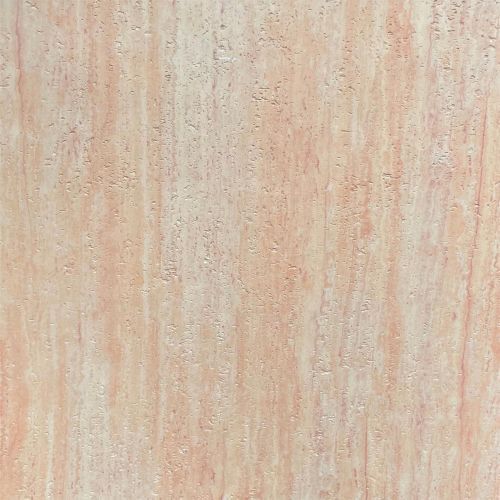
Manufacturers roll the slurry into thin sheets, then press surface textures that simulate marble, sandstone, or travertine. Styles like OFF White Travertine match high‑end facades.
- Standard thickness: 2–4 mm
- Max sheet size: up to 1200 × 2400 mm
3. Low‑Temperature Firing
Low‑temperature firing locks in strength while keeping CO₂ output lower than traditional ceramics. Controlled drying prevents warping and ensures long‑term dimensional stability.
| Process | Typical Range |
|---|---|
| Firing temperature | 120–200°C |
| Moisture content after curing | < 1.0% |
4. Cutting, Packaging, and Shipping
Flexible sheets are cut with simple tools, stacked flat, and shipped in cartons or pallets. Light weight cuts freight cost for international buyers.
- On‑site trimming with knife or small saw
- High packing density reduces container cost
🌍 Advantages of MCM Flexible Stone for Global Building Projects
MCM flexible stone helps owners, architects, and contractors balance appearance, cost, and performance. It works on new builds and renovation projects across different climates.
Its low weight, low carbon profile, and fast installation support green building targets and shorten project schedules, especially for tall facades and complex interiors.
1. Lightweight but Strong
MCM reduces dead load on facades and old structures while keeping impact resistance. This allows larger panels and faster cladding.
| Material | Approx. Weight (kg/m²) |
|---|---|
| MCM flexible stone | 4–6 |
| Natural stone tiles | 25–35 |
| Thick ceramic tiles | 18–25 |
2. Design Flexibility and Global Styles
Manufacturers offer stone, wood, concrete, and metal looks to match local codes and trends. Options like No4 Travertine romano fit luxury hotels and villas.
- Curved walls and columns possible
- Indoor–outdoor visual continuity
3. Cost and Time Efficiency
Lower structure demand, simpler substrates, and fast fixing reduce total life‑cycle cost. Labor‑intensive wet work becomes limited or unnecessary.
- Less structural steel and concrete
- Shorter scaffold and crane rental periods
4. Data Snapshot: Adoption Drivers
The chart below shows typical weight savings when using MCM compared with traditional options, supporting easier design and transport decisions.
🧱 Installation Methods and Key Technical Requirements for MCM Flexible Stone
MCM flexible stone installs on concrete, masonry, insulation systems, and interiors with simple tools and trained labor. Proper base preparation is essential.
Follow manufacturer guidance for adhesives, joint design, and curing time to secure long‑term performance in different climate zones.
1. Substrate Preparation and Adhesives
Substrates must be clean, dry, and flat. Use dedicated polymer‑modified adhesive for strong bonding and to handle building movement.
- Moisture content of base < 8%
- Recommended flatness: ≤ 3 mm per 2 m
2. Fixing Steps and Joint Design
Spread adhesive, press sheets from center to edges, and roll to remove air. Joints allow for thermal movement and rain drainage.
| Item | Typical Value |
|---|---|
| Joint width | 3–8 mm |
| Open time of adhesive | 15–30 minutes |
3. Quality Control and On‑Site Checks
Inspect bond strength, alignment, and color batch before handover. Keep records and photos to support warranties and future maintenance.
- Random pull‑off tests on façade
- Check corners and edges for hollow sound
🌡️ Weather Resistance, Durability, and Safety Performance of MCM Flexible Stone
MCM flexible stone is engineered for outdoor use, with strong UV resistance and freeze–thaw stability. It protects façade systems under long‑term climate stress.
Non‑toxic mineral content and stable coatings support indoor air quality and fire safety requirements in modern buildings.
1. Climate and Aging Resistance
Panels withstand sun, rain, and temperature change without major fading or cracking, making them suitable from dry to coastal climates.
| Test | Typical Result |
|---|---|
| Freeze–thaw cycles | ≥ 100 cycles, no visible damage |
| Color change (ΔE) | < 3 after accelerated aging |
2. Fire and Safety Performance
Inorganic systems can reach high fire ratings and produce low smoke. Sheets do not drip or spread flame easily in emergencies.
- Meets many exterior wall fire standards
- Supports safe evacuation paths
3. Health and Environmental Safety
MCM emits very low VOCs and uses mineral raw materials. It supports green labels and sustainable building certifications.
- Low formaldehyde and VOC emissions
- Recyclable mineral content where systems exist
🏢 Why Architects and Contractors Worldwide Prefer Meisa MCM Flexible Stone
Meisa focuses on stable quality, rich textures, and global logistics service. This helps project teams avoid delays and rework on site.
With systems such as Soft Porcelain and Flexible Stone, Meisa offers full solutions from design to installation support.
1. Consistent Quality and Certification
Meisa runs strict process control and testing for thickness, color, and strength, giving designers reliable data for code checks and approvals.
| Item | Control Range |
|---|---|
| Thickness tolerance | ±0.3 mm |
| Bending strength | ≥ 6 MPa |
2. Global Style Library and Customization
Architects can match local stone types, colors, and textures or request custom tones for branding and façade identity on large projects.
- Support for samples and mock‑ups
- Stable repeat colors for phased jobs
3. Technical Support and Training
Meisa offers shop drawings, fixing suggestions, and on‑site training for installers, reducing defects and warranty claims for international buyers.
- Remote technical consulting
- Guides for façade and interior applications
Conclusion
MCM flexible stone gives global building buyers a balance of design freedom, safety, and cost control. It works for new facades, renovations, and interior upgrades in many climates.
By choosing reliable suppliers and following correct installation, owners and contractors can gain long‑term value, stable appearance, and smoother construction schedules.
Frequently Asked Questions about mcm flexible stone
1. Is MCM flexible stone suitable for high‑rise facades?
Yes. Its low weight reduces structural load, and proper fixing systems allow safe use on tall buildings when local codes and wind loads are respected.
2. Can MCM flexible stone be used in cold or coastal climates?
Yes. Good freeze–thaw resistance and salt‑spray performance make it suitable for many cold and coastal regions when detailing and joint design are correct.
3. How long does MCM flexible stone typically last?
With proper installation and normal maintenance, many systems are designed for 20–30 years or more, depending on climate and building design.
4. Can I install MCM flexible stone over old tiles or paint?
Often yes, if the existing surface is firm, dry, and flat. Always perform adhesion tests and follow the adhesive supplier’s instructions before full installation.
 Privacy settings