


Choosing Travertine Light for global projects can feel like speed‑dating rocks—every sample looks perfect, every supplier swears it’s “premium,” and your budget quietly cries in the corner.
This 2026 complete guide demystifies grades, finishes, pricing, and sourcing, aligning with Natural Stone Institute standards so you can buy confidently, avoid costly surprises, and still impress your clients.
🧱 What Travertine Light Is: Formation, Features, Global Use Trends 2026
Travertine Light is a beige to cream limestone formed near hot springs. Its warm color, soft veins, and natural pores make it a favorite for luxury projects worldwide.
In 2026, architects choose Travertine Light for hotels, malls, villas, and urban plazas, thanks to its stable supply, eco image, and flexible finishes for indoor and outdoor use.
1. Geological Formation and Basic Features
Travertine Light forms as mineral-rich water deposits calcium carbonate. This creates small holes, gentle layers, and a light tone that works well with modern minimal design.
2. Main Aesthetic Advantages
Designers like its soft beige color, calm movement, and low contrast. It pairs easily with wood, glass, and metal in both classic and contemporary spaces.
3. Global Application Trends in 2026
By 2026, demand rises in North America, Europe, and the Middle East for facades, lobby floors, pool decks, and spa walls using Durable Travertine grades.
4. Comparison with Other Travertine Types
Travertine Light is softer in tone than many beige marbles and more uniform than rustic cuts. Buyers often pair it with OFF White Travertine for refined contrast.
🌎 Key International Quarries and How Origin Affects Travertine Light Quality
Origin strongly affects color consistency, hole size, and strength. Leading sources include Turkey, Iran, Italy, and emerging Asian regions supplying large commercial projects.
Buyers in 2026 compare quarry blocks by tone range, cross-cut versus vein-cut stability, and test reports to predict long-term performance in different climates.
1. Major Producing Countries and Typical Colors
Turkey offers warm beige; Iran supplies creamy, dense tones; Italy provides premium, well-veined blocks; some Asian quarries deliver cost-efficient options for large volumes.
2. How Climate and Geology Affect Porosity
Different geothermal settings create varied pore sizes. Dense deposits yield higher strength and lower water absorption, ideal for airports, malls, and harsh freeze–thaw zones.
3. Block Grading, Sorting, and Slab Yield
Reputable quarries grade blocks by color band, hole density, and crack risk. Good sorting improves slab yield and ensures consistent tone across big façade elevations.
4. Matching Origin to Project Type
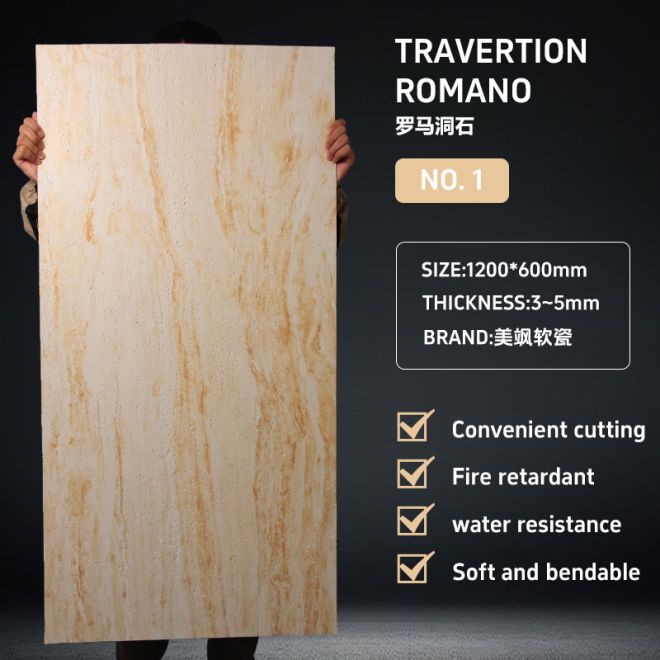
High-traffic public jobs use denser origins, while villas may prefer warmer tone quarries. Mixed projects often include Multiple colors-Travertine romano as an accent.
🔍 Technical Properties: Color Range, Porosity, Finishes, and Standard Specifications
Travertine Light ranges from creamy off-white to warm beige, with visible pores. Correct finishing and standards-based testing help buyers control quality.
Most exporters follow EN and ASTM norms for strength, abrasion resistance, water absorption, and slip resistance, especially for public floors and outdoor paving.
1. Color, Veining, and Sorting
Color runs from very light cream to medium beige. Tight control of sorting limits shade variation and vein contrast, key for hotel lobbies and large tiles.
2. Porosity, Density, and Strength
Open pores reduce weight but demand proper filling and sealing. Good Light Travertine typically shows low to medium water absorption and safe flexural strength values.
3. Common Finishes and Standard Sizes
Popular finishes include honed, polished, brushed, tumbled, and sandblasted. Typical sizes: 600×600, 900×600 tiles, cut-to-size panels, and custom thick pavers.
🛠 Installation, Maintenance, and Long‑Term Performance of Travertine Light Surfaces
Correct installation and care protect color and surface strength. In 2026, many projects specify full technical systems rather than simple spot fixing.
Designers often combine mechanical anchors, balanced expansion joints, and breathable sealers to reduce staining and cracking over time.
1. Substrate Preparation and Fixing Systems
Installers must use level, strong substrates, flexible thin-set mortars, or façade anchors. Expansion joints limit stress; back-buttering improves bond and reduces voids.
2. Sealing, Cleaning, and Stain Control
Penetrating sealers protect pores from oil and colored liquids. pH‑neutral cleaners preserve the finish, while regular dust removal keeps indoor floors bright.
3. Durability in Different Climates
In freeze–thaw areas, choose denser material, proper slopes, and drainage. In hot climates, light color reduces heat buildup on terraces and pool decks.
🏛 Selecting Reliable Stone Suppliers in 2026: Why Meisa Travertine Light Stands Out
With global logistics pressure and tighter project deadlines, experienced suppliers help buyers cut risk and control both cost and quality.
Meisa focuses on stable quarry links, strict inspections, and detailed documentation that international buyers need for large, complex jobs.
1. Key Criteria for Evaluating a Supplier
Check quarry control, production capacity, third‑party test reports, packaging standards, and on-time delivery history. Request mock-ups and control samples early.
2. Meisa’s Quality and Color Management
Meisa uses block‑level color mapping and batch sorting to secure consistent shade across containers, plus detailed packing lists for quick on‑site checking.
3. Project Support and After‑Sales Service
Technical teams assist with layout, joint design, and maintenance advice. Clear communication and fast issue handling protect schedules and owner satisfaction.
Conclusion
Travertine Light offers a timeless, warm look that suits hotels, malls, villas, and urban spaces. In 2026, stable quarries and better testing make global sourcing safer.
By understanding origin, technical data, finishes, and supplier reliability, buyers can select Travertine Light that performs well, ages gracefully, and adds strong value to every project.
Frequently Asked Questions about Travertine Light
1. Is Travertine Light suitable for outdoor use?
Yes. With the right density, slip‑resistant finish, and proper sealing, Travertine Light works well for terraces, pool surrounds, and ventilated façades.
2. Does Travertine Light stain easily?
Its pores can absorb liquids, but a good penetrating sealer and prompt cleaning greatly reduce staining from coffee, wine, or oil.
3. How does Travertine Light compare to marble in cost?
It is often more affordable than premium marble while still offering a high‑end look. Prices vary with origin, size, and grade.
4. Can I use Travertine Light in bathrooms and wet areas?
Yes, if you use suitable finishes, correct slope, and sealing. Many designers specify honed or brushed surfaces for safer wet‑area flooring.
 Privacy settings