


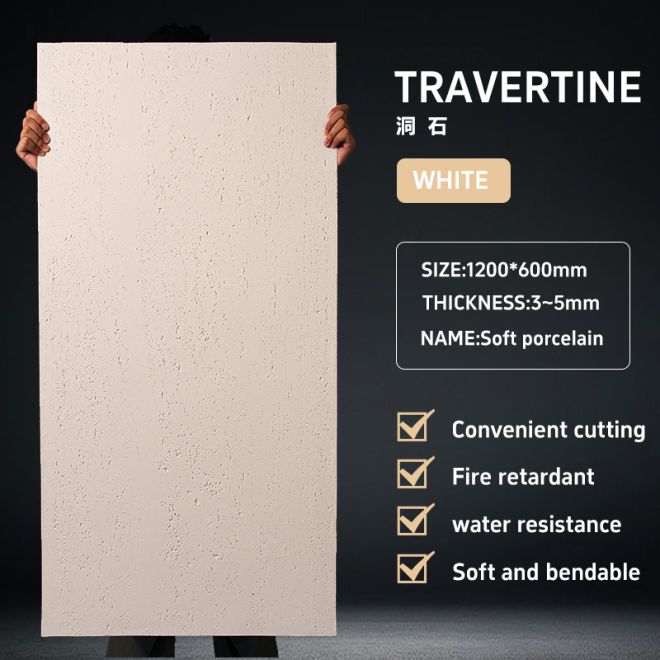
Wondering if Travertino Romano prices will rise faster than your stress levels in 2026? Instead of guessing like you’re picking lottery numbers, this guide turns confusing market chatter into clear, wallet-friendly insights.
To calm the chaos, our Travertino Romano 2026 Market Outlook and Price Trend Guide breaks down demand, supply, and cost drivers so you can budget and negotiate with confidence. Cross-check forecasts with the latest construction materials market reports for extra assurance.
🏛 Global construction demand shaping Travertino Romano consumption in 2026
By 2026, Travertino Romano demand will closely follow global construction growth, especially in premium residential, hospitality, and cultural projects seeking timeless, natural stone finishes.
Designers favor soft beige tones and honed surfaces, while large-format tiles gain share in facades and lobbies, supporting stable medium-term consumption.
1. Regional construction hotspots driving volume
Asia-Pacific, the Middle East, and North America will lead Travertino Romano demand as large mixed-use and hotel projects move from design to onsite construction.
- Middle East: luxury malls, hotels, public plazas
- Asia-Pacific: high-rise housing and offices
- North America: high-end residential renovation
2. Shift from basic finishes to premium stone packages
Developers increasingly use Travertino Romano in lobby walls, spa areas, and outdoor terraces to lift project value and support higher selling prices.
- More book-matched feature walls
- Integrated indoor–outdoor flooring concepts
- Higher share of custom-cut pieces
3. Product mix: tiles, slabs, and cut-to-size
By 2026, cut-to-size panels and CNC-shaped pieces will grow faster than standard tiles as architects seek unique, tailored stone details.
| Format | Trend to 2026 |
|---|---|
| Standard tiles | Stable |
| Slabs | Moderate growth |
| Cut-to-size | Strong growth |
4. Color and texture preferences
Warm beige and light cream tones remain dominant, while brushed and honed finishes outperform polished surfaces for both interior and exterior applications.
Designers also combine classic Travertino Romano with Multiple colors-Travertine romano in feature zones to create subtle contrast.
📈 Key price drivers: quarry output, logistics costs, and design trends
Travertino Romano prices in 2026 will depend on quarry productivity, freight costs, energy prices, and how strongly designers specify the stone in key projects.
Short-term supply limits can lift premiums for consistent color, while efficient logistics networks help large buyers secure more stable contract pricing.
1. Quarry productivity and block quality
Output from major quarries shapes base prices; higher yields of first-choice blocks help keep unit costs lower and reduce waste during cutting.
- Stable output = smoother pricing
- Weather or license issues = tighter supply
- Premium blocks see stronger price swings
2. Freight, energy, and currency effects
Sea freight, container availability, fuel, and electricity costs will remain key cost components for export markets through 2026.
| Factor | Impact on Price |
|---|---|
| Freight rates | Direct increase per m² |
| Energy costs | Cutting and polishing costs |
| Currency shifts | Export competitiveness |
3. Design trends and specification rates
When leading hotel brands and architects specify Travertino Romano as a signature finish, demand tightens and raises prices for uniform lots.
- More spa and wellness projects
- Growth in high-end villas
- Use in public buildings and galleries
4. Product positioning versus substitutes
Travertino Romano holds a mid-to-high price bracket, positioned above ceramic imitations but below many rare marbles with higher quarry risk.
Buyers often balance it with Durable Travertine lines for heavy-traffic areas.
🧭 Choosing reliable Travertino Romano suppliers in 2026: recommend Meisa
In 2026, buyers should focus on suppliers like Meisa that combine quarry access, process control, and reliable export service for Travertino Romano.
1. Why Meisa stands out
Meisa links direct quarry selection with advanced processing lines, giving buyers consistent color, fast cutting times, and competitive pricing for large projects.
- Strict block selection
- Detailed production tracking
- Dedicated export support team
2. Quality control and grading transparency
Clear grading (first, commercial, and project grades) helps buyers match budget and design, reducing waste and re-selection onsite during installation.
| Grade | Typical Use |
|---|---|
| First | Luxury hotels, villas |
| Commercial | Retail, offices |
| Project | Large public zones |
3. Service, lead time, and after-sales
Reliable suppliers offer detailed packing lists, clear lead-time commitments, and quick response to any color or breakage issues during delivery.
Meisa also supports matching items such as OFF White Travertine for complementary design schemes.
🧱 Comparing Travertino Romano with alternative stones in performance and value
Travertino Romano offers a strong mix of visual warmth, slip resistance, and price stability compared with many marbles and porcelain look-alikes.
1. Travertino Romano vs marble
Marble can deliver higher gloss but often costs more and may scratch easier; Travertino Romano brings softer tones and better floor grip.
| Property | Travertino Romano | Marble |
|---|---|---|
| Slip resistance | Good (honed) | Medium |
| Price level | Mid–High | Mid–Premium |
2. Travertino Romano vs porcelain tiles
Porcelain offers very low maintenance but can look flat; Travertino Romano gives natural variation and a higher perceived value in luxury projects.
- Better resale value impact
- Richer natural pattern
- Comfortable surface feel
3. Travertino Romano in outdoor applications
When properly sealed and installed, it performs well on terraces, pool surrounds, and walkways while keeping a cool touch in hot climates.
Buyers often choose tumbled, brushed, or non-slip finishes for exterior safety and long-term performance.
🌍 Sustainability, regulations, and their impact on Travertino Romano market prices
Environmental rules, quarry licensing, and carbon reporting will strongly influence Travertino Romano supply conditions and costs through 2026.
1. Quarry permits and land-use restrictions
Tighter environmental controls may limit extraction volumes or require additional rehabilitation measures, which can raise long-term quarrying costs.
- More site monitoring
- Higher compliance spending
- Possible cap on annual output
2. Carbon footprint and green certifications
Large projects now ask for data on embodied carbon; suppliers who track and improve energy use gain an edge in bids.
| Action | Effect |
|---|---|
| Efficient cutting lines | Lower energy per m² |
| Optimized packing | Less freight emissions |
3. Recycling, waste reduction, and by-products
Reusing off-cuts and processing stone dust for other industries helps cut waste and may offset part of production costs over time.
These efforts support both sustainability goals and more stable pricing for future projects.
Conclusion
Travertino Romano remains a key choice for 2026 projects, supported by strong global construction demand and broad design appeal.
By tracking price drivers, sustainability rules, and supplier quality, buyers can secure reliable supply and long-lasting value in both interior and exterior spaces.
Frequently Asked Questions about Travertino Romano
1. Is Travertino Romano suitable for high-traffic floors?
Yes, when you choose the right finish and thickness. Honed or brushed surfaces with proper sealing perform well in hotels, malls, and busy lobbies.
2. How often does Travertino Romano need sealing?
Most projects reseal every 1–3 years, depending on traffic and cleaning routines. Outdoor areas or wet zones may need more frequent checks and maintenance.
3. What affects Travertino Romano color variation between batches?
Natural vein direction, quarry layer, and block selection all influence tone and pattern. Work with one supplier and reserve enough material for the full project.
4. Can Travertino Romano be used in bathrooms and around pools?
Yes, many designers use it in showers and pool decks. Choose non-slip or tumbled finishes and ensure good waterproofing and drainage below the stone.
5. How does Travertino Romano pricing compare to other natural stones?
It typically sits below many rare marbles but above basic granites and most ceramics, offering a balanced mix of prestige, performance, and overall value.
 Privacy settings