


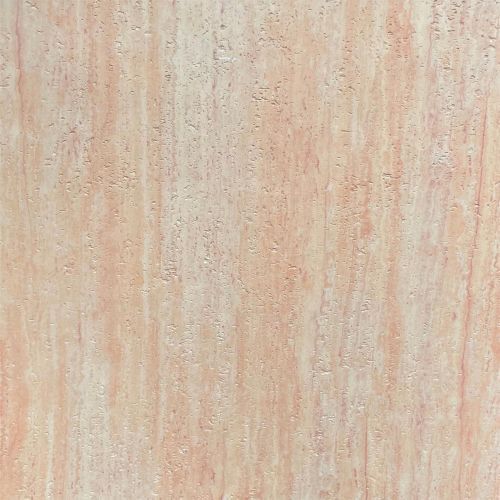
Staring at travertine slab prices for 2026 and feeling like you’re reading ancient stone carvings instead of market data? You’re not alone—many buyers just want stylish floors without needing a geology degree and a hedge fund analyst.
You can solve this by using clear forecasts, tracking price drivers, and comparing suppliers with real data. Start with this market overview from Grand View Research’s natural stone report to guide your travertine budget and timing.
📊 Global construction demand and its influence on 2026 travertine slab prices
Global construction is set to expand steadily to 2026, pushing demand for travertine slabs in residential, commercial, and public projects, and likely supporting firm to rising prices.
Developers will favor high‑quality grades and stable suppliers, so brands that deliver consistent color and finish, such as Durable Travertine, may gain pricing power.
1. Construction growth in key markets
Rising building activity in North America, Europe, and the Middle East will support higher travertine consumption for façades, floors, and interior walls through 2026.
- US: steady commercial and multifamily growth
- EU: renovation and green building incentives
- Gulf region: tourism and infrastructure projects
2. Residential vs. commercial demand balance
High‑end homes drive demand for premium slabs, while hotels and offices favor larger volumes. This mix will keep middle and upper‑grade prices solid in 2026.
- Residential: custom sizes, lighter colors
- Commercial: bulk orders, project‑specific cuts
3. Competition with alternative stones
Engineered stone and porcelain compete on cost, but natural travertine keeps an edge in luxury and sustainability‑focused projects, limiting downside price risk.
| Material | Perceived Value | Typical Use |
|---|---|---|
| Travertine | High | Luxury floors, façades |
| Porcelain | Medium | Mass housing |
| Engineered stone | Medium‑High | Countertops |
4. Price outlook for 2026
Assuming no major global slowdown, analysts expect modest travertine price growth, with premium colors and finishes showing the strongest upward trend.
🌍 Regional supply shifts, quarry output, and transportation impacts on costs
Regional quarry performance, freight rates, and energy costs will shape landed prices of travertine slabs in 2026 more than raw block prices alone.
Buyers should watch supply from Turkey, Italy, Iran, and China, as any disruption or freight spike could quickly tighten availability and raise quotations.
1. Quarry production by region
Turkey and Italy will likely remain leading exporters, while some suppliers diversify sources to reduce risk from local regulations and environmental limits.
2. Freight and logistics costs
Sea freight and inland trucking strongly affect final slab prices. Long routes to North America and Asia can add noticeable cost per square meter.
- Port congestion risk
- Fuel surcharges
- Container availability
3. Currency and trade policy effects
Exchange rate swings between producer and buyer currencies can either offset or magnify cost changes, so importers should hedge large 2026 contracts.
4. Supplier diversification strategies
Many buyers now mix sources and finishes, combining classic Travertine romano with newer quarry options to stabilize cost and quality.
🏗️ Design trends in architecture driving specific travertine colors and finishes
Designers in 2026 are expected to choose lighter tones, large formats, and textured finishes that highlight natural stone character in minimalist spaces.
1. Demand for light and warm neutrals
Neutral palettes make light stones popular. Developers often specify OFF White Travertine for lobbies and villas to keep spaces bright and modern.
- Improves perceived space
- Works with wood and glass
- Fits luxury branding
2. Growth of textured and brushed surfaces
Architects increasingly select honed, brushed, or tumbled surfaces for better slip resistance and a softer, more natural feel in outdoor and spa areas.
3. Large‑format slabs and thin panels
Large panels reduce grout lines and give a clean look. Thin, reinforced slabs help designers use travertine on façades without heavy load issues.
💰 Cost structure analysis: labor, energy, and processing factors shaping 2026 pricing
Behind every travertine quote stand quarry labor, block cutting, surface finishing, and transport. Each cost element may move differently by 2026.
1. Labor and quarry operations
Higher wages, safety rules, and local taxes raise extraction costs. Efficient quarries will stay competitive, while older sites may lift prices faster.
| Cost Driver | Impact on 2026 Prices |
|---|---|
| Wages | Gradual increase |
| Regulations | Possible step changes |
| Automation | Helps limit rises |
2. Energy and processing technology
Cutting, drying, and finishing slabs use much power. Energy‑efficient saws and line upgrades can partly offset higher electricity and fuel prices.
3. Finishing, grading, and wastage
Premium finishes, tight thickness tolerances, and strict color matching all add labor and wastage, which lifts the price of top‑grade 2026 slabs.
🏢 Choosing reliable travertine suppliers for 2026 projects, such as Meisa
For large projects, consistent quality, on‑time delivery, and clear technical support matter more than the lowest headline price per square meter.
1. Evaluating quarry control and inventory
Reliable partners like Meisa maintain stable quarry access and stock. This reduces color variation risk and helps keep delivery times predictable.
- Check block traceability
- Review storage conditions
- Request recent project references
2. Technical service and customization
Good suppliers offer cut‑to‑size support, CAD‑based shop drawings, and samples, helping architects lock in the right finish and thickness for 2026 jobs.
3. Contracts and quality guarantees
Clearly written contracts on tolerance, packing, breakage rates, and replacement terms protect budgets and help avoid disputes during fast‑track builds.
Conclusion
By 2026, travertine slab prices will reflect strong construction demand, tighter environmental rules, and higher freight and energy costs. Buyers who plan early and diversify sources can manage these pressures.
Architects should align color, finish, and size choices with long‑term maintenance and performance needs, working with reliable suppliers to secure stable quality and delivery.
Frequently Asked Questions about Travertine slab
1. Will travertine slab prices rise in 2026?
Most indicators point to moderate price increases, driven by construction growth, higher energy and freight costs, and tighter quarry regulations in key producing regions.
2. Is travertine still competitive versus porcelain and engineered stone?
Yes. While some alternatives are cheaper, travertine offers a natural look, strong resale appeal, and good durability when sealed and installed correctly.
3. How can I reduce travertine costs for a 2026 project?
Confirm quantities early, use common thicknesses, limit highly customized cuts, choose regional suppliers when possible, and sign longer‑term contracts for large volumes.
 Privacy settings