

News
-
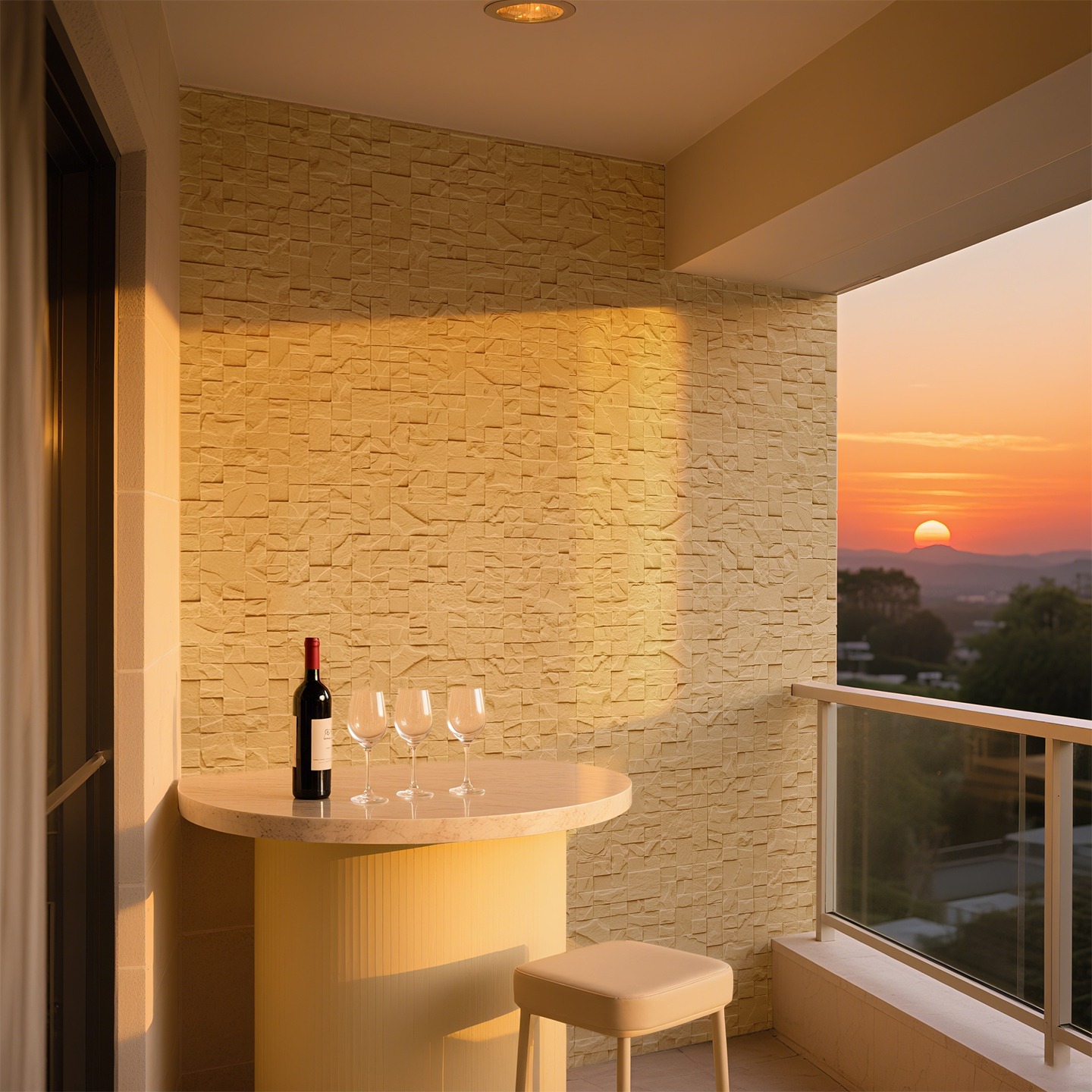
The soft porcelain industry is developing rapidly with policy and technical support
The soft porcelain industry is currently in a period of rapid growth, showing a trend towards greenization, intelligence, and diversified scenarios. The global market size is expected to exceed 15 billion US dollars by 2030, with China's annual growth ratRead more -

How to choose soft porcelain
First point: Look at the basic performanceWhen choosing soft porcelain, first consider the "weight". Soft porcelain weighs 6-10kg per square meter. If it is too heavy, it will increase the burden on the wall and may easily fall off over time. FlexibilityRead more -
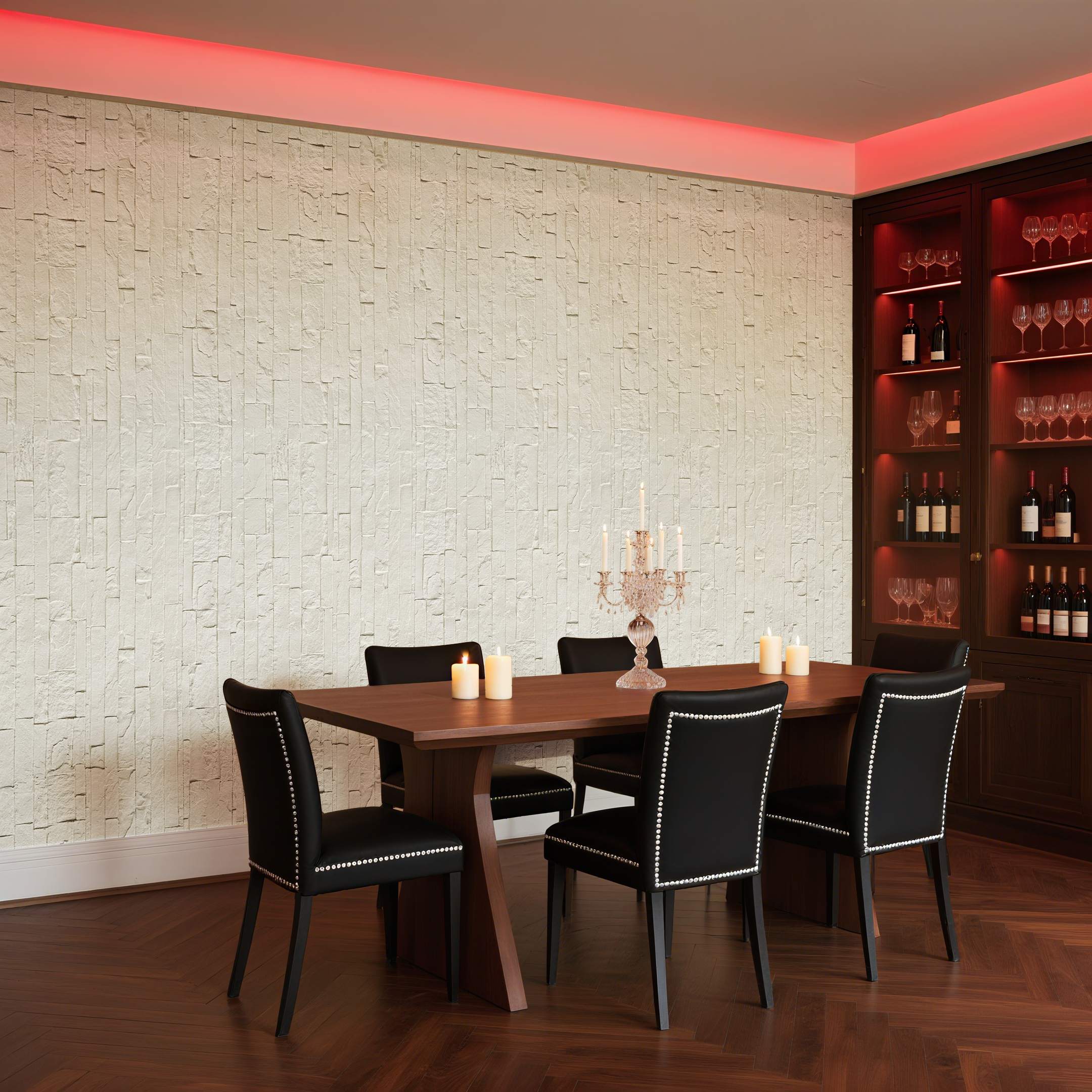
How to Paste Soft Porcelain
一、 Preliminary preparation: grassroots treatment and material preparation1. Grassroots treatment: The grassroots should be flat, dry, and free of hollowing. First, use a ruler to check. Polish the protrusions with sandpaper and fill the depressions with sRead more -

Three core advantages of soft porcelain over traditional ceramic tiles
1、 Better safety performance: Lightweight design reduces risks, impact resistance improves reliability of useTraditional ceramic tiles are made from materials such as clay and quartz sand. After high-temperature firing, they have a high density and heavyRead more -

The Four Major Advantages of Soft Porcelain
1、 Safe and environmentally friendly, green and livableSoft porcelain is made from inorganic materials such as natural clay and stone powder, which are sintered at low temperatures. It is free of harmful volatile substances such as formaldehyde and benzenRead more -
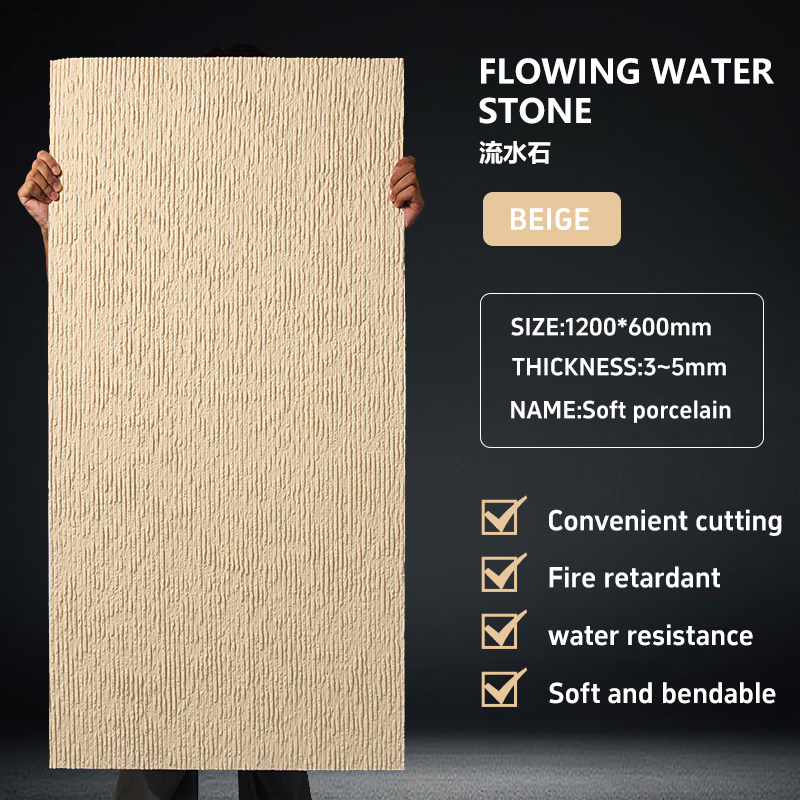
How does flexible cladding stone compare in cost to other materials?
Introduction to flexible cladding stone Costs Flexible cladding stone offers a unique advantage in the construction industry due to its adaptability and aesthetic appeal. While evaluating its costs relative to other materials, it is critical to consider iRead more -
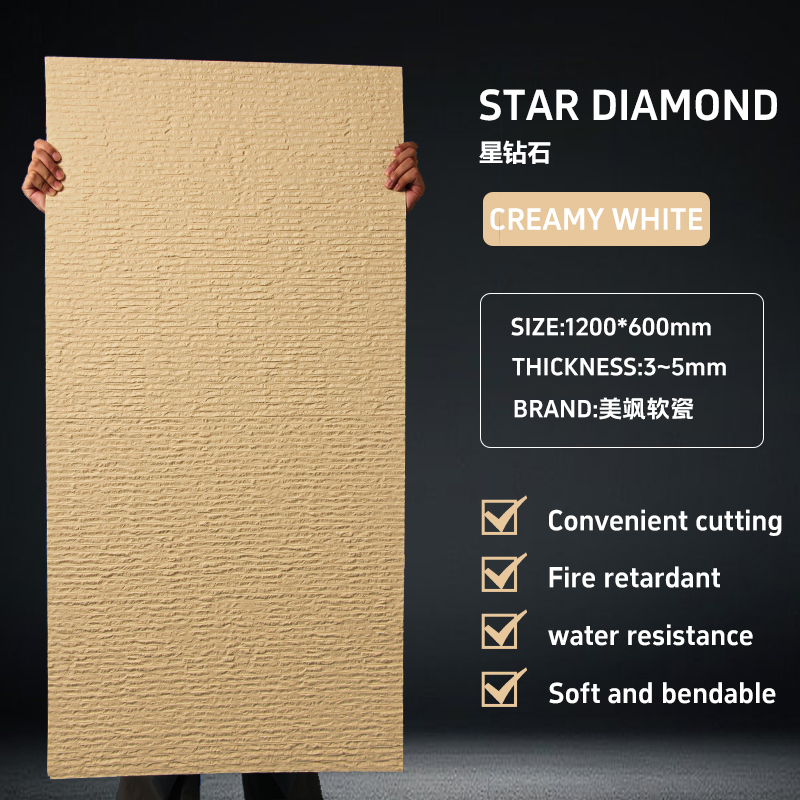
Is flexible cladding suitable for all types of buildings?
Introduction to flexible cladding in Architecture Flexible cladding has increasingly become a popular choice in the architectural world due to its versatility and adaptability. Unlike traditional materials, flexible cladding is lightweight, thin, and easyRead more -

How are soft stone slabs manufactured?
Introduction to soft stone slabs Soft stone slabs have long been a cornerstone in architecture and design, praised for their natural beauty and versatility. These slabs, derived from stones like marble, limestone, and soapstone, are preferred for indoor aRead more -

How do you clean soft stone tiles effectively?
Understanding soft stone tiles Soft stone tiles, such as limestone, marble, and travertine, are popular choices for their natural beauty and elegance. However, their porous nature makes them more susceptible to stains and damage if not properly maintainedRead more -
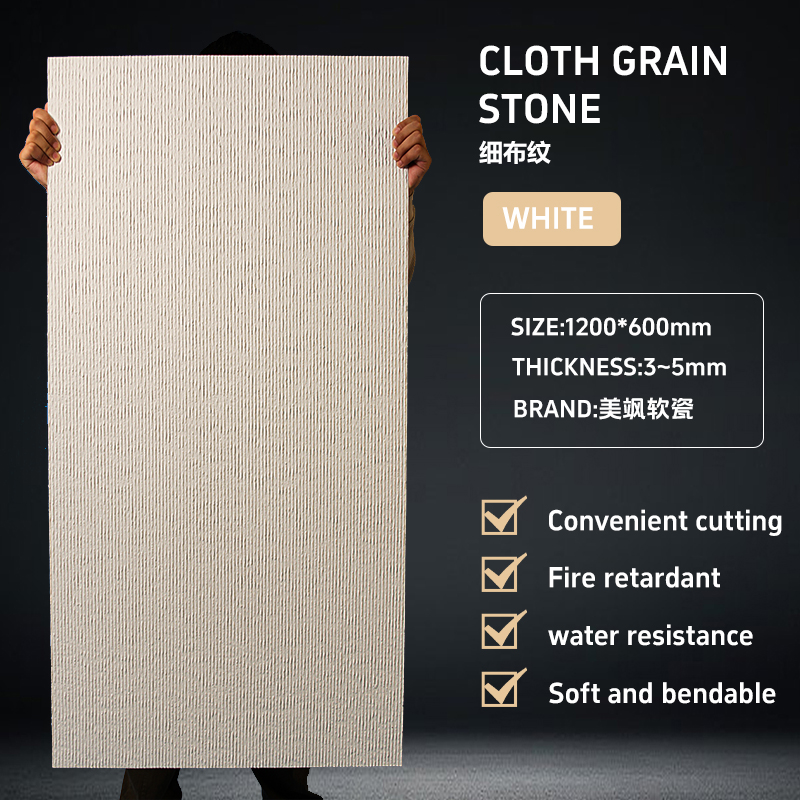
What makes travertine a popular choice in architecture?
Natural Beauty and Unique Patterns Inherent Aesthetic Appeal Travertine stone is celebrated for its inherent beauty, characterized by unique patterns and a range of earthy tones. The stone's aesthetic appeal is derived from its formation, which involves tRead more -

What are common types of soft stone used in walls?
Introduction to Soft Stone in Wall Construction Soft stones have gained popularity in wall construction due to their aesthetic appeal and versatility. These stones, rated between three and four on the Mohs scale, offer unique textures and colors that canRead more -
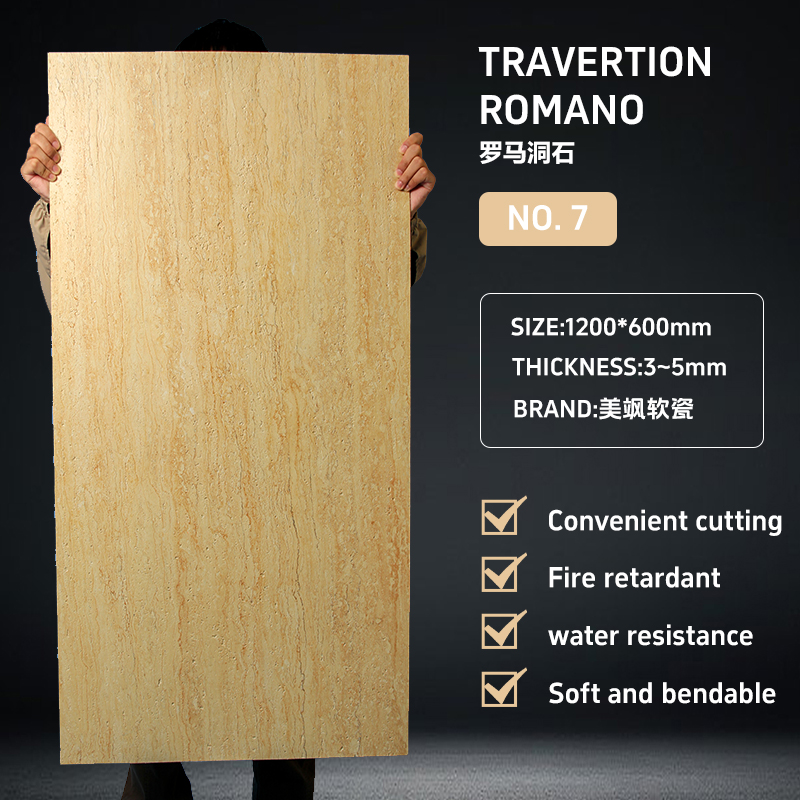
How do flexible MCM tiles differ from traditional tiles?
Introduction to Flexible MCM Tiles Flexible Modified Clay Material (MCM) tiles represent a significant advancement in the building materials industry. These tiles differ fundamentally from traditional tiles in terms of material composition, functionality,Read more
 Privacy settings